Rivian’s CEO Says RAD Vehicles Will Be Fundamentally Different
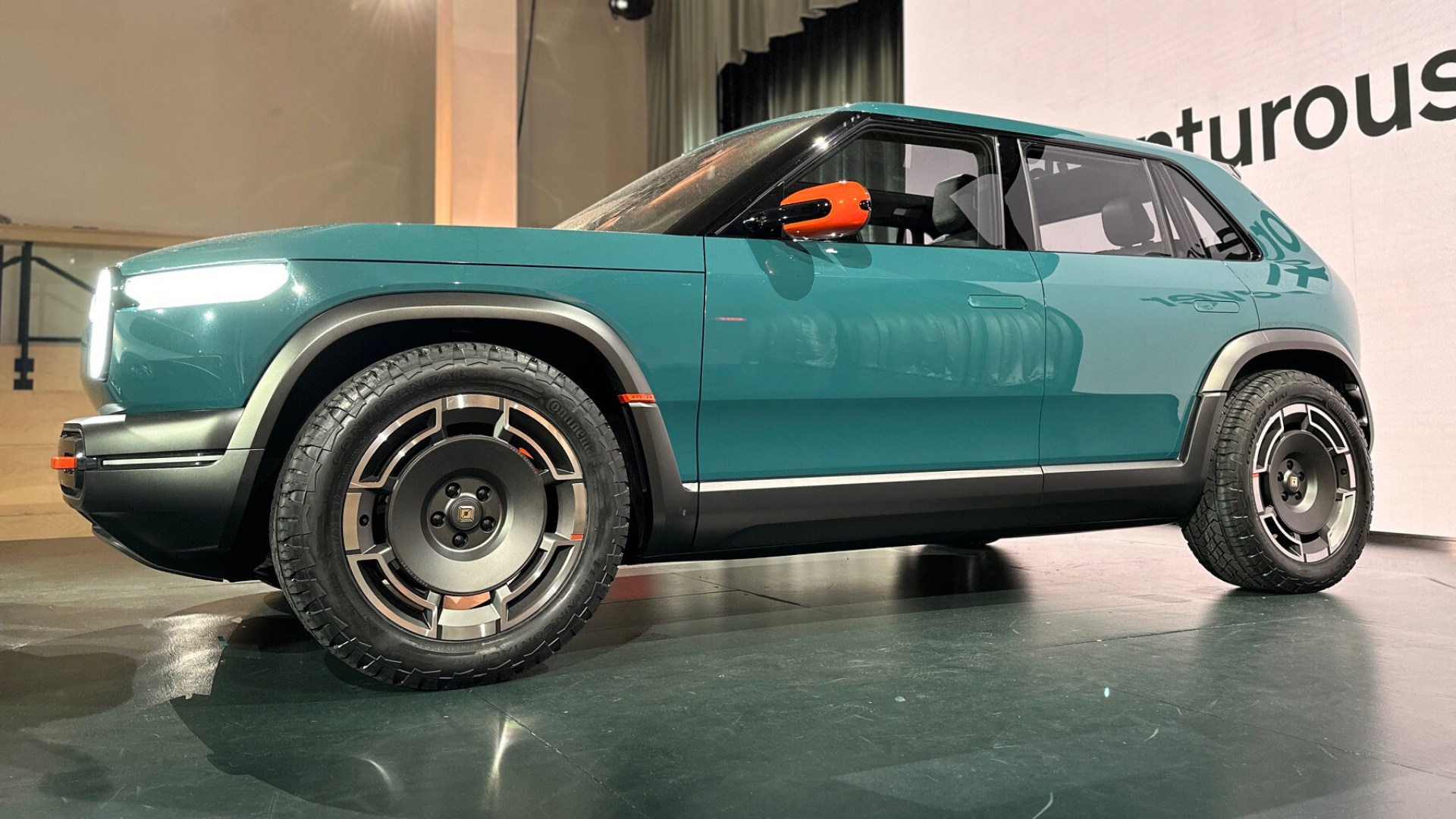
Rivian CEO RJ Scaringe confirms the upcoming RAD platform will introduce substantive engineering changes beyond cosmetic updates to its vehicle lineup.
2 comments
Sign in to join the discussion.
Sign inRivian's RAD platform redesign signals the critical transition from startup prototyping to manufacturing maturity—where cost reduction, modularity, and safety integration must converge without compromising the crash structures and ADAS sensor architectures validated under ISO 26262 for their current generation. Fundamental hardware changes to battery packaging and thermal systems introduce new failure modes that demand fresh FMEA cycles and recalibration of pedestrian protection zones if front-end geometry shifts. For fleet operators considering Rivian, this means postponing large-scale deployments until RAD vehicles complete full NCAP and real-world crash validation—platform transitions often expose unforeseen fault propagation paths in electrical architectures and sensor fusion reliability. Rivian must prove that manufacturing economies don't compromise functional safety margins, particularly in high-voltage isolation and ADAS perception redundancy where cost-cutting has historically created latent hazards.
Rivian's platform shift matters less for what goes on the vehicle and more for what it enables in the certification envelope—the RAD architecture could finally open a path to aviation-adjacent mobility applications like electric ground support equipment or modular air-taxi charging infrastructure, where thermal management and power density translate directly to operational tempo. If they're truly rethinking drive units and battery packaging at this level, Rivian may be positioning for dual-use platforms that serve both road and apron environments. For regional operators eyeing electric shuttle fleets between terminals and vertiports, this evolution could mean Rivian becomes the first automotive OEM whose hardware natively supports the voltage, duty cycle, and environmental certification crossover that aviation ground ops demand—provided they architect for DO-160 electromagnetic compatibility from the start.