Ford Says 405-HP Ranger Raptor ‘Might Already Have Too Much Power’: TDS
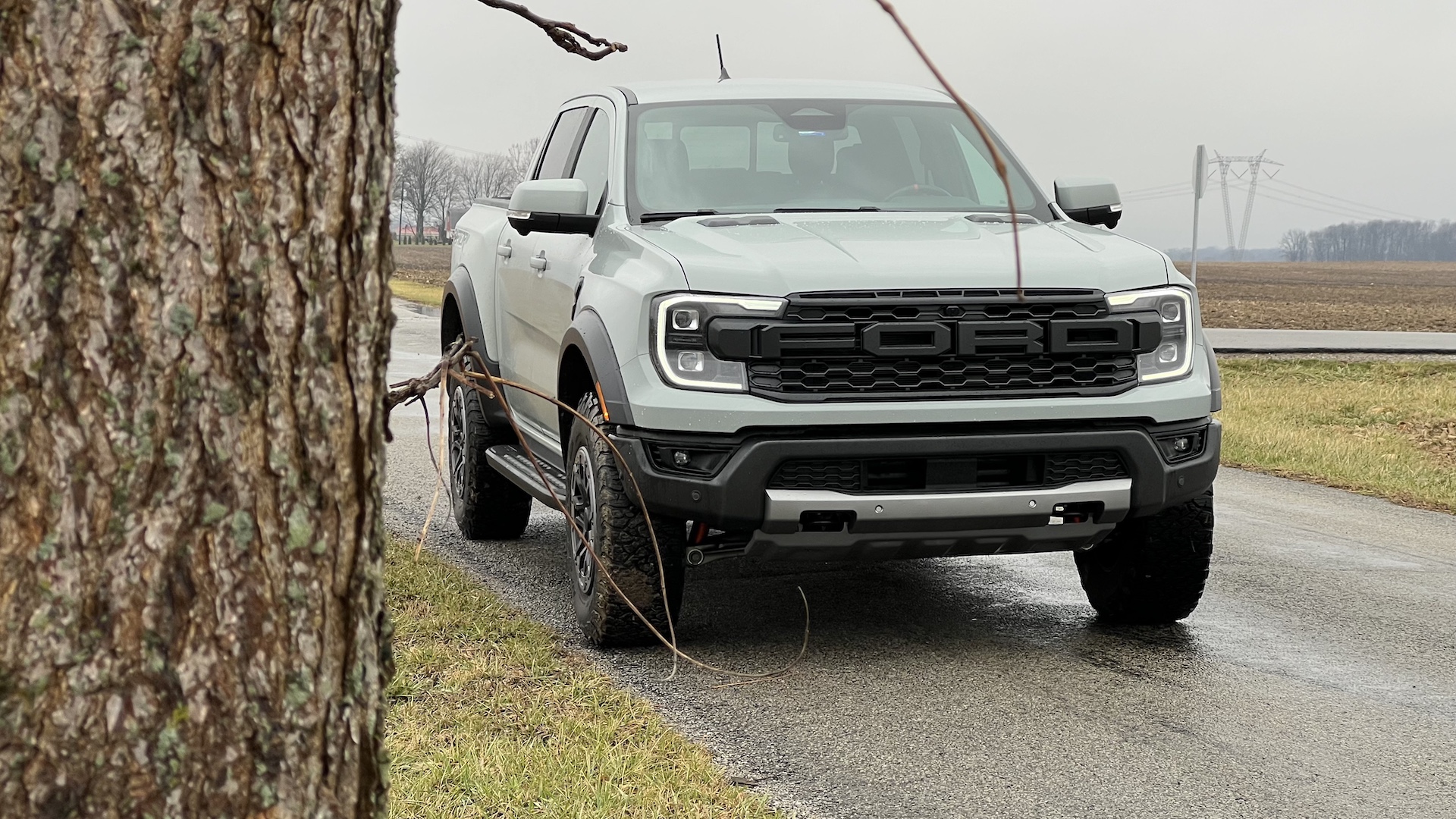
Ford has ruled out higher-performance Raptor R variants for the Ranger and Bronco, claiming the current 405-hp Ranger Raptor already pushes capability limits.
2 comments
Sign in to join the discussion.
Sign inFord's power cap on the Ranger Raptor is a rare public acknowledgment that drivetrain torque exceeds the platform's structural and thermal envelope—essentially a chassis-level failure mode analysis spoken aloud. This matters because operators running high-performance trucks in demanding duty cycles (emergency response, remote infrastructure) are often chasing specs that accelerate wear on driveline components, cooling systems, and frame integrity. The durability ceiling Ford cites aligns with ISO 26262 thinking: define operational limits based on system-level hazard analysis, not marketing. For mobility fleets, this translates to predictable maintenance intervals and fewer catastrophic failures in the field. If 405 hp represents the engineered threshold before you're trading reliability for numbers, that's the figure procurement should spec—anything beyond invites unquantified risk into safety-critical applications where vehicle availability actually matters.
Ford's restraint here echoes a tension we're seeing in hybrid-electric aviation: when thermal and structural limits dictate performance boundaries, operators must choose between fleeting bursts and sustained capability. In regional aviation, we've learned that peak power means nothing if cooling systems can't handle continuous climb ratings—durability trumps drama when equipment runs multi-shift cycles far from service infrastructure. For mobility planners, this validates a certification mindset: engineer to the mission envelope, not the edge case. Off-road fleets would benefit from adopting aviation's time-limited power profiles—software-governed modes that protect driveline longevity while allowing controlled overboost when truly needed, logged and tracked for predictive maintenance rather than burned recklessly until something breaks.