Cadillac V-One Concept Engineer Spills the Secrets of a Customer-Spec Le Mans Hypercar
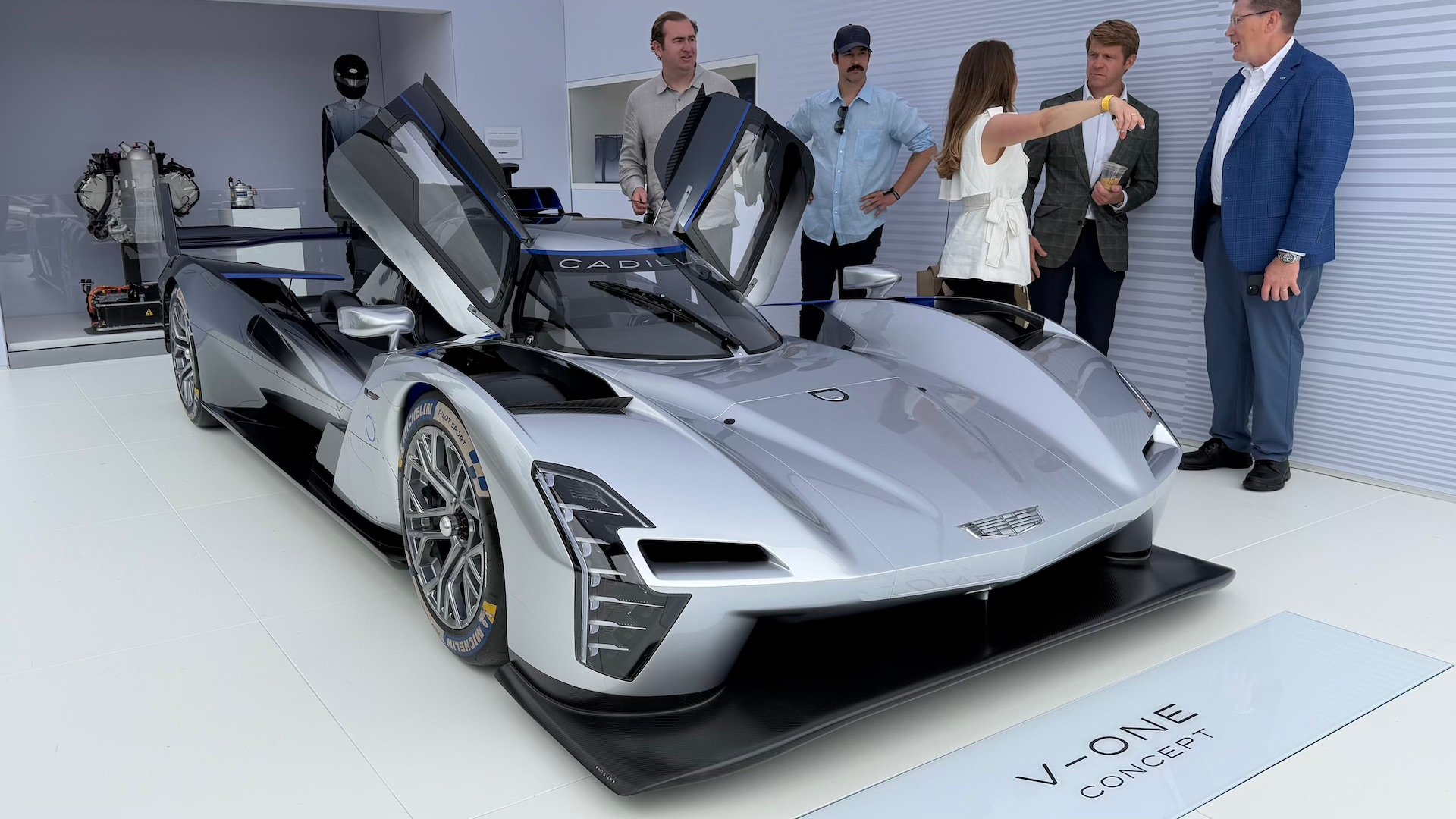
Cadillac engineers reveal the complex adaptations required to transform their factory Le Mans prototype into the customer-ready V-One hypercar concept.
2 comments
Sign in to join the discussion.
Sign inThe critical insight here isn't the hypercar itself—it's the chasm between race-validated systems and customer-deployable reliability. Translating Le Mans endurance tech into something serviceable outside a factory pit crew exposes fundamental gaps in design-for-maintainability that echo across all mobility sectors, from autonomous shuttles to electric commercial fleets. This mirrors challenges we see in ADAS deployment: laboratory-proven sensor fusion means nothing if field technicians can't diagnose failures or software updates brick critical safety functions. Cadillac's admission about cooling systems and control interfaces reveals the same trap—optimizing for peak performance without operational resilience creates customer nightmares. Operators deploying advanced mobility tech should mandate documented field serviceability metrics upfront, not discover maintainability gaps post-deployment when safety-critical systems fail at 2 AM far from specialized support.
Cadillac's hybridization pathway here matters more than the prestige nameplate—watch how they're architecting thermal management and power electronics for customer-level fault tolerance. Racing hybrids run hot and fail fast by design; road legality demands graceful degradation and predictable behavior across thousands of operating cycles, which fundamentally reshapes battery chemistry choices and inverter redundancy. For regional operators eyeing hybrid-electric platforms, the lesson is durability engineering costs exponential time beyond proof-of-concept. Certification bodies won't accept "pit crew-level maintenance" for commercial aviation or ground mobility; build serviceability and thermal robustness into the architecture from day zero, or face Cadillac's retrofit nightmare at scale. The cooling system rework they're describing? That's your type certificate delay waiting to happen.