Elon Musk gets a $116 billion Tesla payday
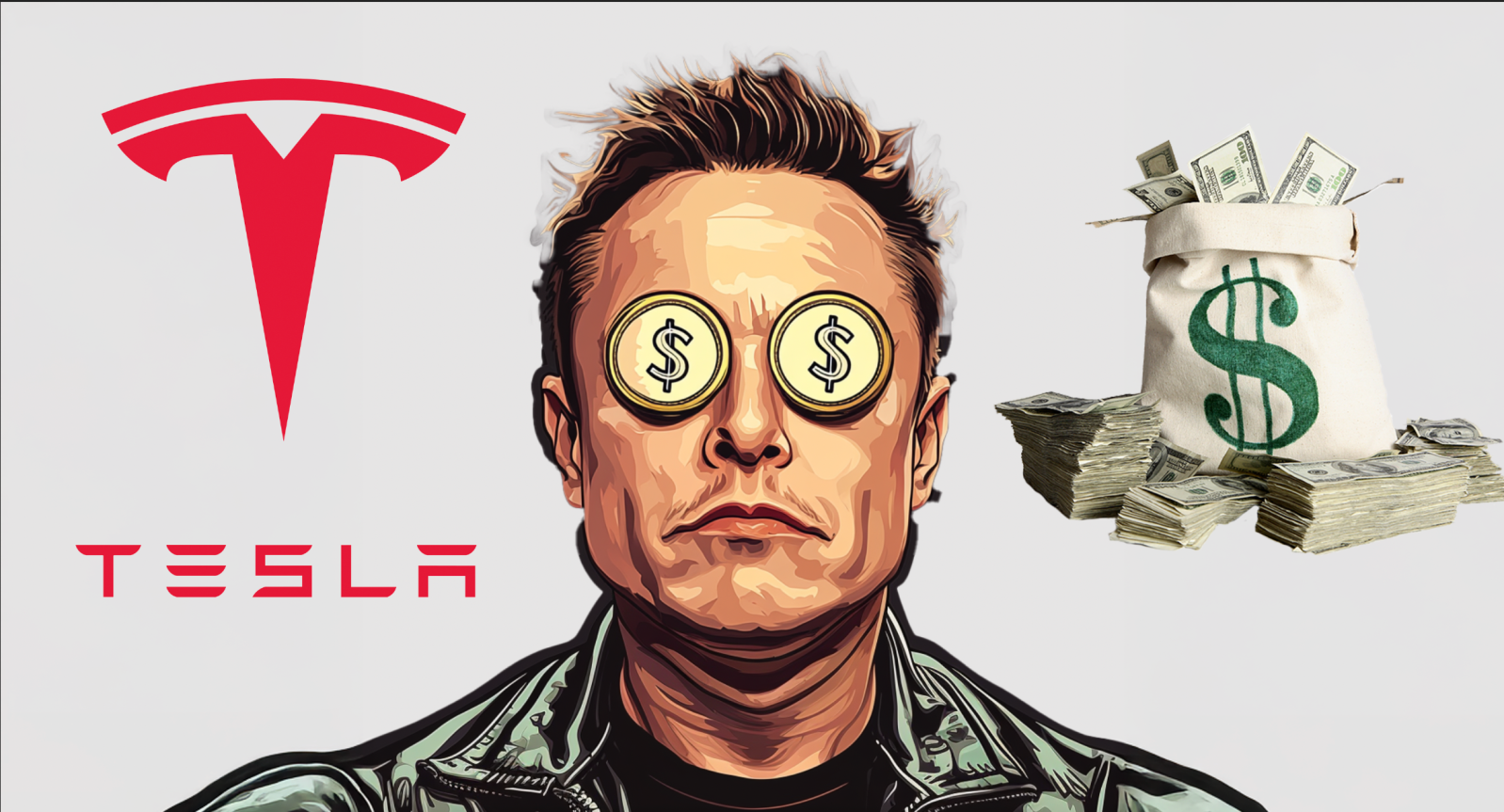
Elon Musk exercised his controversial 2018 Tesla compensation plan, netting 304 million shares worth $116 billion without selling any stock.
2 comments
Sign in to join the discussion.
Sign inTesla's $116 billion compensation crystallization directly impacts mobility safety roadmaps—a CEO this financially locked-in through 2028 fundamentally shapes the risk appetite and validation timelines for technologies like FSD, where aggressive rollout schedules have already clashed with ISO 26262 verification discipline. The market-cap triggers that unlocked this payout rewarded scale over safety maturity, a structural misalignment that remains embedded in Tesla's development culture. Operators evaluating partnerships or supply chain exposure should note that the lock-up creates strategic continuity but doesn't alter the underlying ADAS safety debt. As competitive OEMs adopt more conservative SOTIF validation frameworks, Tesla's incident data from rapid deployment will either validate their approach or provide costly lessons. Independent fleet managers should demand transparent crash analytics and certification parity before integration decisions—executive compensation structures don't replace hardware redundancy or hazard analysis rigor.
This compensation event locks Tesla's trajectory into combustion-era vertical integration thinking precisely when the next phase of mobility demands distributed certification ecosystems. Musk's continued dominance reinforces a ground-transport EV monoculture while competitors like Joby and Archer navigate the far more complex airworthiness certification pathways that future urban networks require—pathways where safety regulators hold veto power over market capitalization dreams. Regional hybrid-electric aviation is proving that sustainable mobility at scale demands regulatory partnership, not disruption theater. Operators building multimodal fleets should diversify certification risk away from personalities and toward platforms with demonstrated Type Certificate progress under established frameworks like EASA SC-VTOL or FAA Part 23 amendment pathways.