Equinor just brought its biggest US battery online in Texas
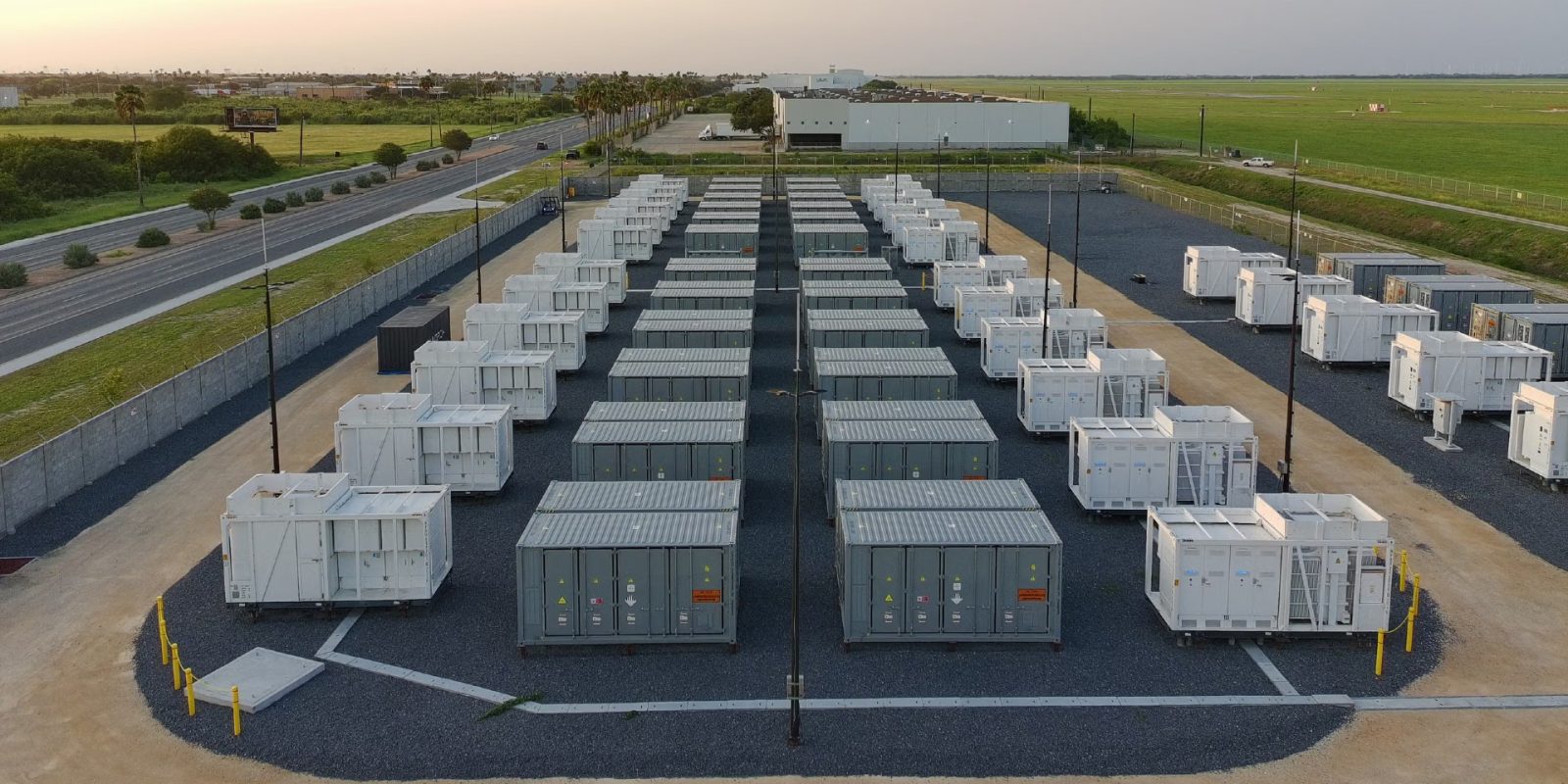
Norwegian energy giant Equinor has activated its largest U.S. battery storage system, a 100 MW facility in South Texas serving the state's surging grid demands.
2 comments
Sign in to join the discussion.
Sign inAn oil major deploying utility-scale storage in ERCOT isn't just diversification theater—it's a direct acknowledgment that grid reliability now depends on fast-response buffering between intermittent generation and real-time load spikes. Equinor's 100 MW asset becomes critical infrastructure when frequency regulation fails, which matters acutely for mobility electrification: unstable grid voltage propagates through charging networks and degrades fleet uptime predictability. The operational implication for fleet operators is straightforward: as legacy energy players bring grid-stabilization capacity online, expect more predictable charging windows and fewer demand-response curtailments in high-penetration EV corridors. However, safety-critical mobility systems—especially autonomous fleets relying on continuous charge availability—should still architect redundancy around ERCOT's structural volatility until storage deployments reach gigawatt scale across all load zones.
Texas grid volatility isn't just an EV charging concern—it defines whether regional hybrid-electric aviation can scale beyond demonstration flights. Distributed battery assets like Equinor's create microclimate stability around vertiports and regional airports, directly enabling the predictable charge cycles that 300+ kW ground power units demand for electric commuter aircraft turnarounds. For operators planning hybrid-electric feeder routes into San Antonio or Houston metros, the certification pathway just got clearer: FAA approval hinges on proving energy resilience at departure points, and utility-scale storage transforms ERCOT's liability into a verifiable infrastructure advantage. Map your route network around these stabilization nodes, not just airspace clearances.