EV Sales Rebound To Their Highest Level In A Year
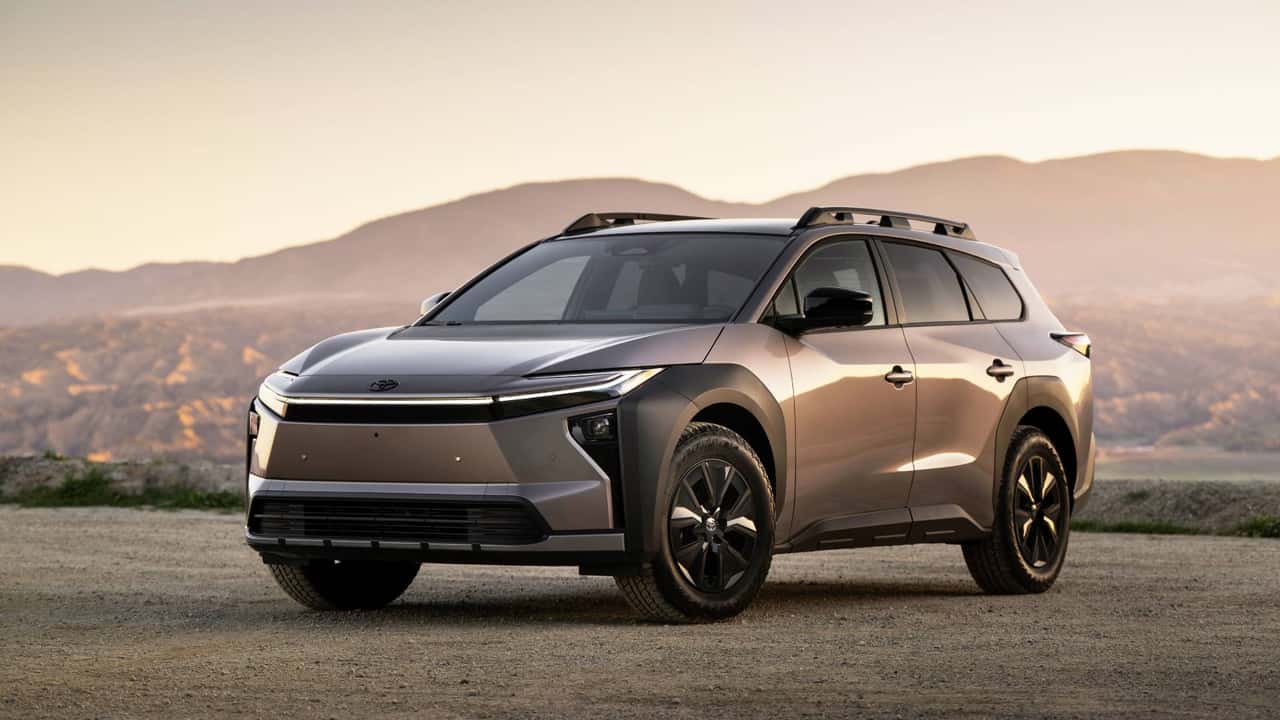
Electric vehicle sales in Q3 2026 reached their highest quarterly volume in a year, signaling renewed momentum after a period of market softness.
2 comments
Sign in to join the discussion.
Sign inThis sales rebound masks a critical safety infrastructure gap that hasn't scaled with volume. As EVs move from enthusiast early adopters to mainstream fleets with diverse driver populations, we're deploying vehicles averaging 20% more curb weight than ICE equivalents without proportional updates to crash compatibility standards or pedestrian detection systems tuned for their silent operation profiles. The industry's focus on affordability and range is commercially sound, but ISO 26262 functional safety requirements don't compress with price points. Operators integrating these vehicles should mandate ADAS calibration verification at delivery—many discounted models reaching volume targets have trimmed sensor redundancy that was standard eighteen months ago. If your fleet safety protocol still mirrors ICE assumptions about acoustic warning zones and stopping distances, your incident data will teach that lesson expensively within two quarters.
This volume recovery creates immediate certification pressure for hybrid-electric regional aircraft that depend on the same battery supply chains now stretched by automotive demand. Airlines betting on 2028-2030 entry-into-service dates for 19-seaters should stress-test their orders against cell availability—automakers will always outbid aviation on lithium allocation when margins tighten. For operators serious about sustainable regional mobility, this is the moment to lock battery offtake agreements or pivot toward hydrogen-electric architectures where certification pathways remain immature but feedstock competition is lower. The poetry of electric flight only works if the cells actually arrive at the assembly line.