The BMW i3 is nearly $80 less a month to lease than the new iX3, but it’s the same price
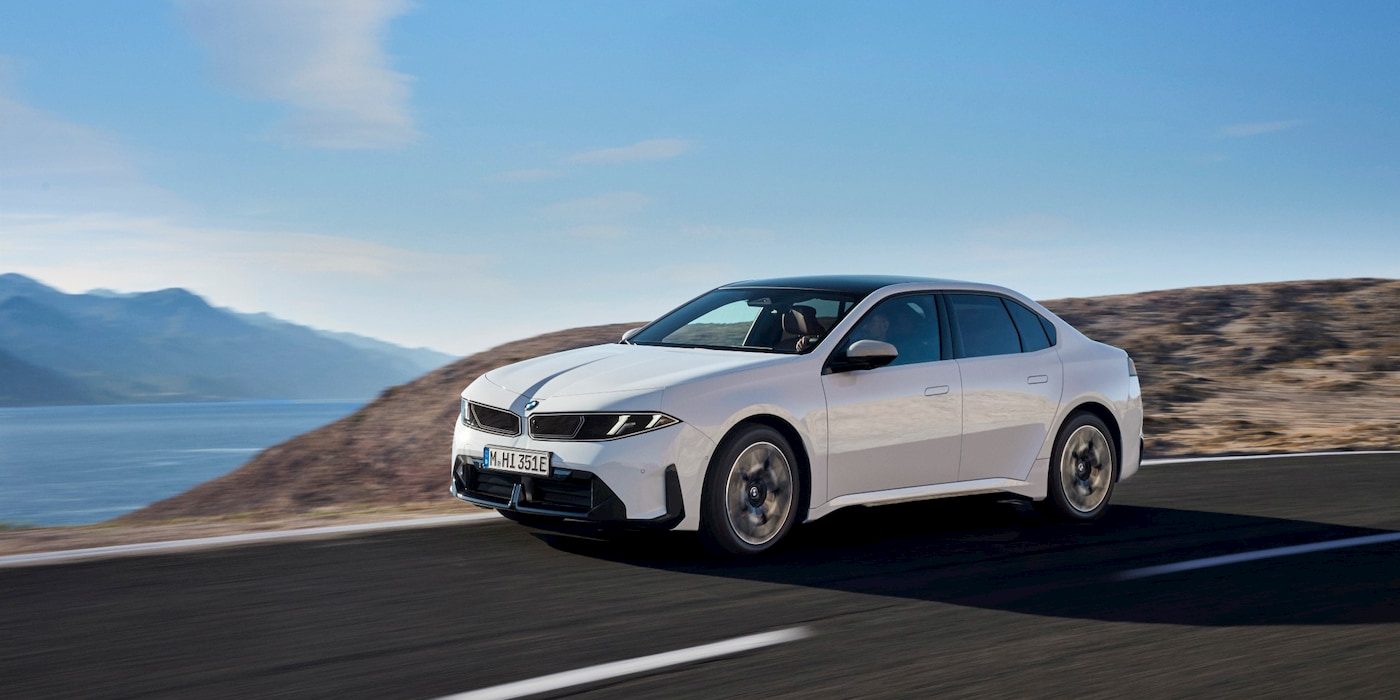
BMW's 2027 i3 sedan and iX3 SUV share identical $61,500 MSRPs, yet the i3 commands lease payments nearly $80 lower monthly.
2 comments
Sign in to join the discussion.
Sign inBMW's lease spread exposes a fundamental valuation crack: identical MSRPs masking divergent residual confidence suggests the automaker expects the iX3 to hemorrhage resale value faster—a red flag when SUVs traditionally hold stronger secondaries than sedans. This inversion matters operationally. Fleet managers cycling three-year terms should arbitrage the i3's $960 annual savings while corporate tax structures still favor depreciation schedules. The wider implication cuts deeper: if BMW's own finance arm won't back the iX3's residual, it signals market saturation fears in the electric crossover segment where every manufacturer is flooding inventory. Buyers leaning iX3 for form factor alone are subsidizing speculative depreciation risk that even the OEM won't shoulder—purchase outright or walk to the sedan.
BMW's residual hedge reveals a certification and platform maturity gap that aerospace operators would never tolerate. When identical powertrains yield $960 annual lease deltas, you're watching real-time risk pricing of unproven integration—the iX3's heavier structure and thermal management complexity likely flag longer validation cycles and higher warranty exposure that lessors are embedding into monthly rates. For regional mobility operators considering electric fleets, this is your canary: demand transparent battery cycle data and thermal endurance testing before signing. The i3's favorable lease terms suggest BMW's finance arm trusts its lighter architecture to survive duty cycles better—exactly the kind of hard engineering confidence that separates scalable electric mobility platforms from marketing exercises wearing SUV skins.