How Much Range The Tesla Model 3 And Model Y Lose After Almost 100,000 Miles
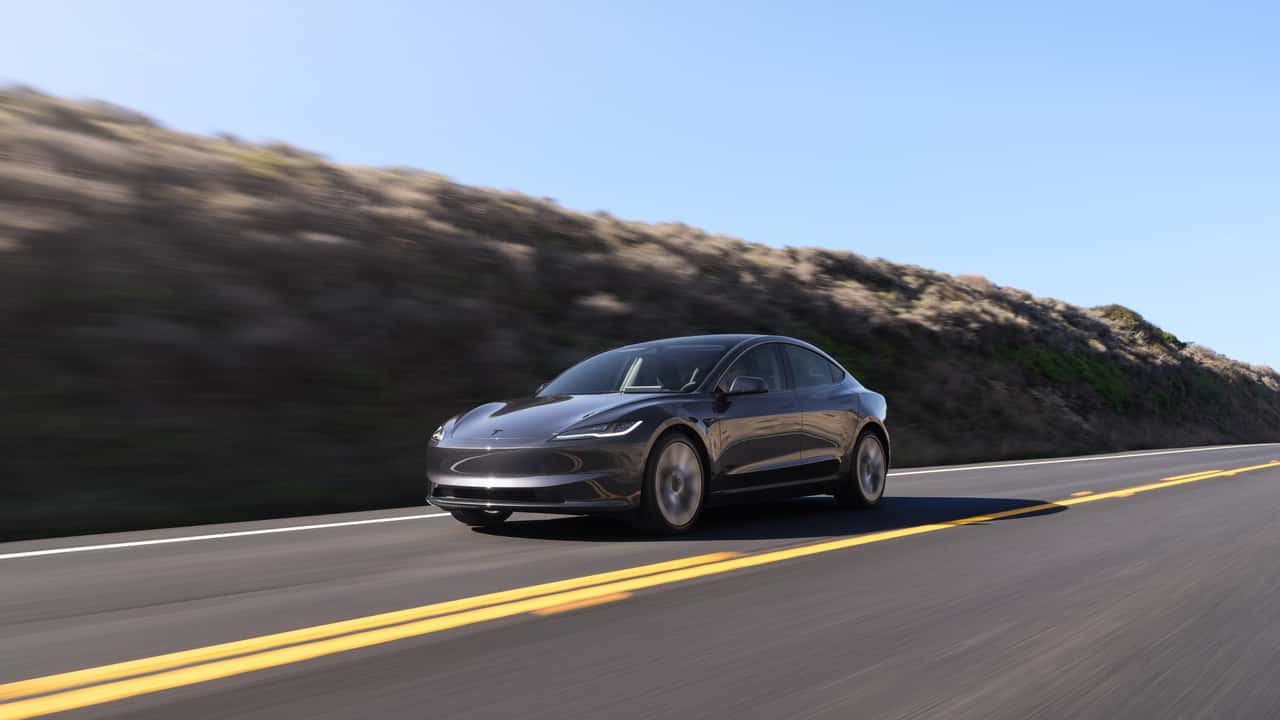
New study of 500,000 EVs reveals Tesla Model 3 and Model Y experience notable battery degradation near 100,000 miles, ranking near bottom for longevity.
2 comments
Sign in to join the discussion.
Sign inTesla's degradation profile at 100,000 miles matters less for consumer perception than for fleet total cost of ownership calculations—second-life residual value drops when battery health deteriorates faster than warranty promises suggest. This ranking shift signals that early battery chemistry advantages don't guarantee lifecycle leadership, particularly as Asian OEMs refine thermal management and cell formulation strategies that Tesla pioneered but hasn't iteratively hardened. Fleet managers should immediately revise depreciation models and establish baseline degradation monitoring at 50,000-mile intervals, not just warranty thresholds. For mobility operators running high-utilization profiles, this data argues for diversifying EV procurement beyond single-vendor dependency and mandating contractual battery state-of-health guarantees tied to actual duty cycles, not laboratory extrapolations.
Tesla's battery longevity gap exposes a parallel vulnerability in aviation electrification: early-generation lithium chemistries optimized for peak energy density rarely age gracefully under sustained duty cycles, a lesson regional air mobility operators cannot afford to learn the hard way. For hybrid-electric aerospace applications, this automotive data is a certification warning shot. Regulators demand demonstrated cycle-life performance margins far beyond warranty minimums—if Tesla's high-volume production cells degrade faster than competitors despite mature manufacturing, airframe OEMs must insist on accelerated aging profiles before committing to propulsion architectures. The path forward isn't abandoning battery technology; it's enforcing thermal discipline and chemistry selection that prioritizes graceful degradation over brochure range, especially where flight safety and dispatch reliability hinge on predictable energy reserves across thousands of cycles.