How the 2027 Chevy Corvette Grand Sport X Built on the Bones of the Old E-Ray Hybrid
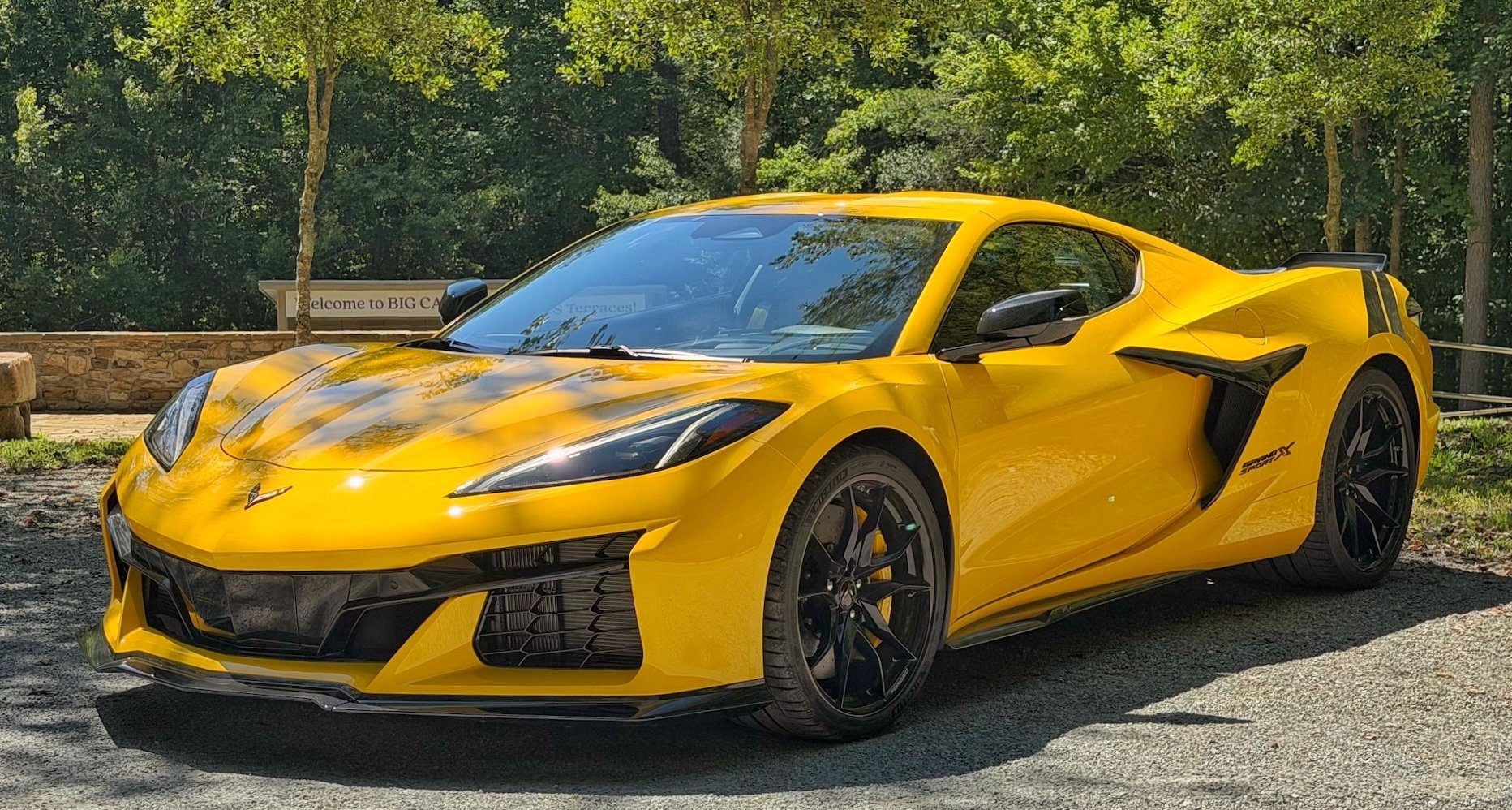
The 2027 Corvette Grand Sport X replaces the E-Ray with a 721-hp LS6 V8, shedding hybrid tech for pure combustion performance at $114,000.
2 comments
Sign in to join the discussion.
Sign inGM just proved that hybrid platforms make excellent insurance policies—even when the batteries never ship. By salvaging the E-Ray's thermal management and driveline hardpoints for pure ICE duty, they've converted sunk R&D costs into a 721-hp product that enthusiasts will actually buy, all while keeping electrification optionality alive for future regulatory pivots. From a safety systems perspective, this matters: the Grand Sport X inherits crash structures and ADAS sensor suites validated for hybrid mass distribution, then replaces battery cells with empty space or fuel. That's a lighter, more predictable crashworthiness profile, but it also means recalibrating every ESC and torque-vectoring algorithm originally tuned for electric front axle response. Operators banking on hybrid credentialing for fleet emissions should note—performance buyers are voting with wallets for mechanical simplicity, and OEMs are listening.
From a propulsion architecture standpoint, this isn't just cost recovery—it's a textbook demonstration of why modular mechanical AWD beats integrated hybrid systems for performance scaling. The E-Ray's front-axle geometry was always over-engineered for a 160-hp electric motor; now that headroom accommodates purely mechanical torque vectoring without the thermal bottlenecks lithium cells impose during track sessions. What Chevrolet quietly validated here is that aviation's been right all along: hybrid-electric works brilliantly for *regional duty cycles* with intermittent power demands, but sustained high-output applications still favor pure combustion or full-electric commit. For mobility operators watching propulsion bets, this is your reminder that bridging architectures need escape hatches—design for the electric future, but don't weld the doors shut on ICE fallback.