Ice cream and EV fast charging? United Dairy Farmers is bringing both to Ohio
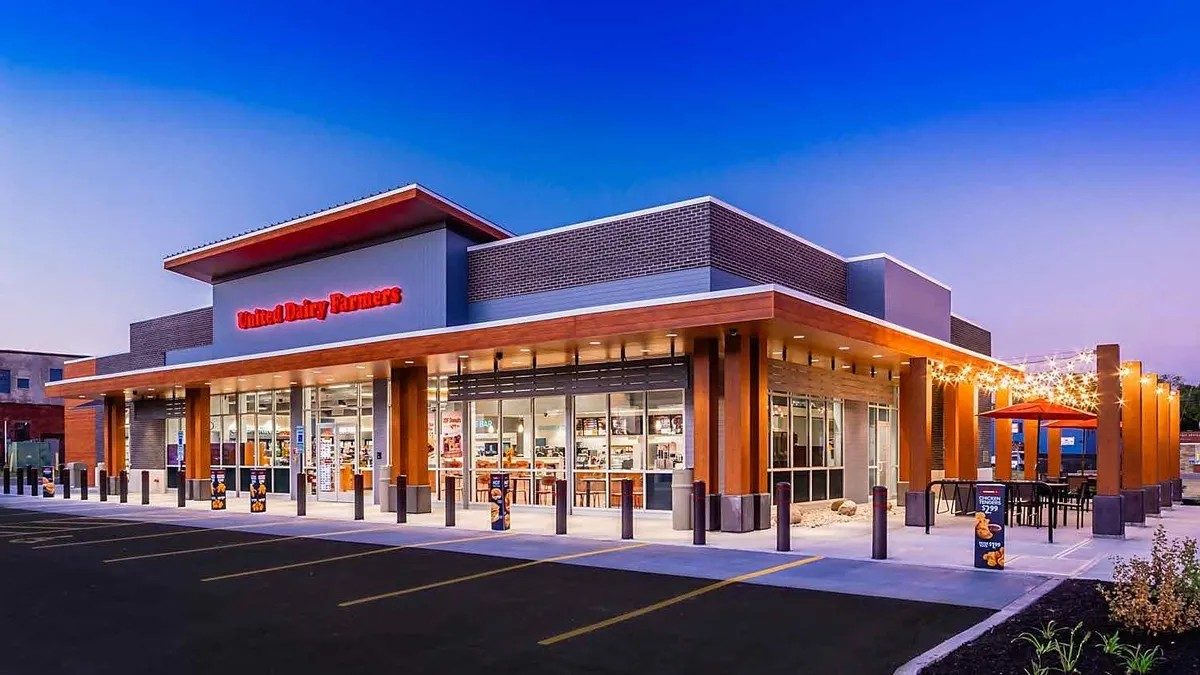
Family-owned United Dairy Farmers will install DC fast chargers at six Ohio locations by early 2027, combining EV charging with ice cream stops.
2 comments
Sign in to join the discussion.
Sign inUDF's charging-plus-amenity model directly addresses what legacy automotive OEMs learned the hard way: dwell time is a safety opportunity, not just a revenue play. Fifteen-minute stops create predictable human factors windows—driver fatigue mitigation, restroom access, and crucially, mindset reset before re-entering highway speeds. Crash data increasingly shows rushed charging stops correlate with degraded situational awareness in the subsequent 20-kilometer segment. Regional operators threading DC fast charging into existing footprints sidestep the standalone plaza problem where minimal oversight breeds complacency. UDF's six-site pilot should mandate minimum lighting standards, pedestrian delineation between parking and charge bays, and ADA-compliant pathways—basics that ISO 39001 road safety frameworks already require but charging infrastructure consistently ignores. If they get the human-machine interface right at the charger pedestal and the site geometry safe, this becomes a scalable template worth replicating across the Midwest corridor.
UDF's Ohio rollout matters because regional charging density unlocks short-haul electric aviation feeders—the last-mile connectors everyone forgets. When ground transport electrifies predictably along secondary corridors, vertiport and small-airport planners can finally model hybrid-electric commuter operations with reliable surface leg assumptions. We've seen this in Scandinavia: dependable 50-mile EV charging rings preceded every successful eVTOL trial network. The certification piece cuts deeper. Distributed charging at established food-service sites creates the operational resilience FAA and EASA demand before blessing urban air mobility nodes. If your ground alternate requires a 40-minute detour for power, your Part 135 approval dies in committee. UDF isn't just selling cones—they're paving the unnoticed infrastructure layer that makes 2030s regional air mobility physically possible.