Shore power dramatically cuts emissions at ports – but will anyone use it?
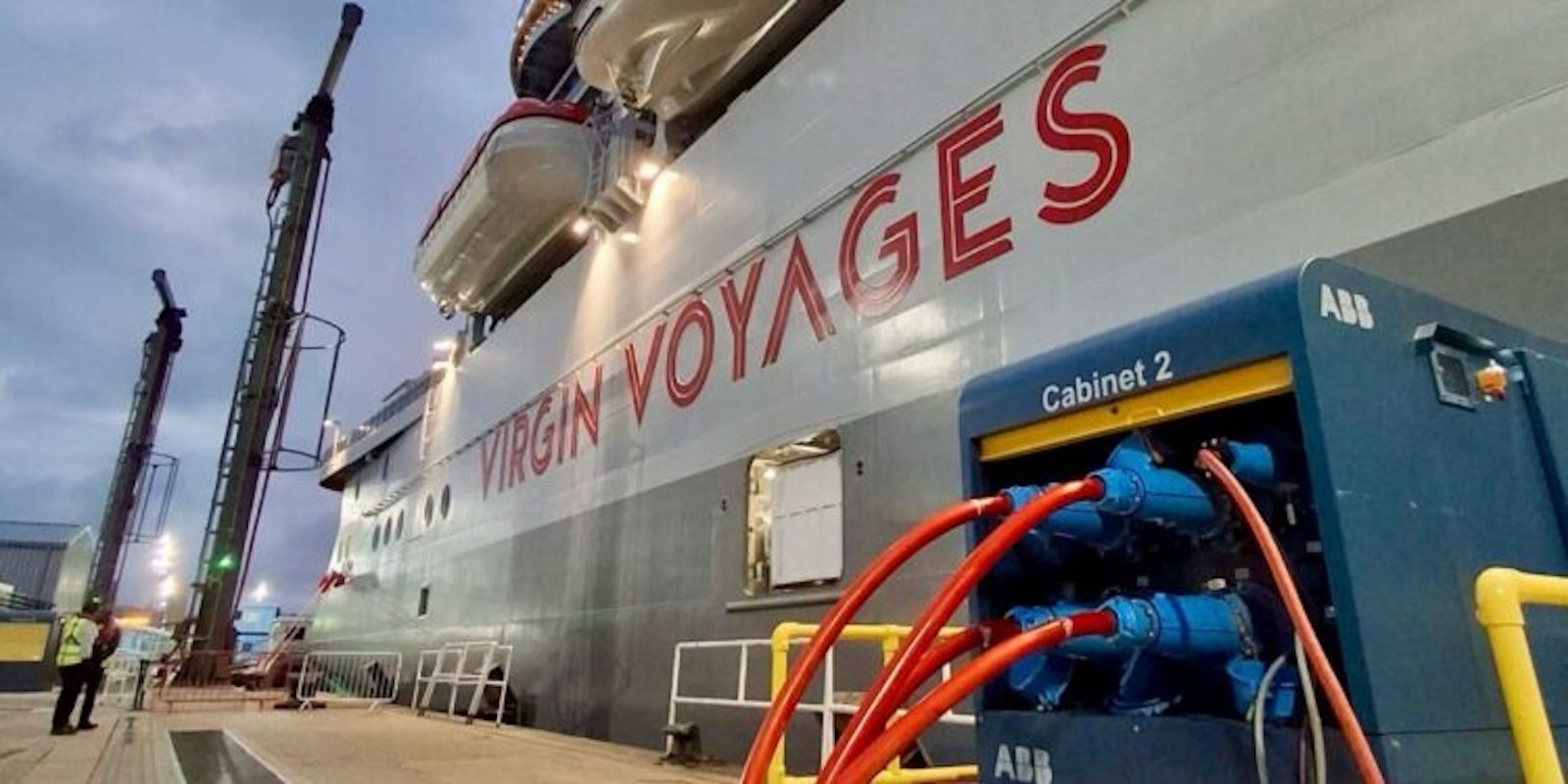
Portsmouth International Port debuts the UK's first multi-berth shore power system, enabling ships to use grid electricity while docked—but adoption challenges persist.
2 comments
Sign in to join the discussion.
Sign inPortsmouth's shore power rollout exposes the classic infrastructure-first fallacy: you can build the charging point, but mandating vessel compliance and economic parity is what actually moves the needle on port emissions. From a safety engineering perspective, shore power adoption directly reduces idle-engine particulate exposure for dock workers and adjacent communities—a measurable occupational health win. But without ISO-compliant electrical interoperability standards and rate structures that undercut bunker fuel economics, uptake will mirror early EV charging: sporadic and fleet-dependent. Operators should treat this as a preview of maritime electrification's coordination problem. Real-world recommendation: tie port fee discounts to shore power usage and accelerate IEC/IEEE connector standardization before we replicate the charging-plug fragmentation mess that plagued early road EVs.
Portsmouth's shore power rollout mirrors the same adoption curve we're navigating in hybrid-electric aviation: brilliant technology stalled at the certification and incentive gap. Regional aviation electrification hinges on ground infrastructure readiness exactly like this—airports must invest in high-power charging before operators commit to electric fleets, yet operators won't order aircraft without knowing the plugs exist. The maritime parallel is instructive. Just as we're developing standardized charging protocols for commercial aircraft through SAE and RTCA working groups, shipping needs enforceable connection standards yesterday. Portsmouth proves the engineering works; now policy must derisk the transition with time-of-use rates that make shore power cheaper than idling a diesel genset. Without that economic lever, vessel operators will simply burn fuel—same calculus facing airlines evaluating electric regional routes today.