The New BMW iX4 Has Over 400 Miles Of Range And A Coupe-Like Body
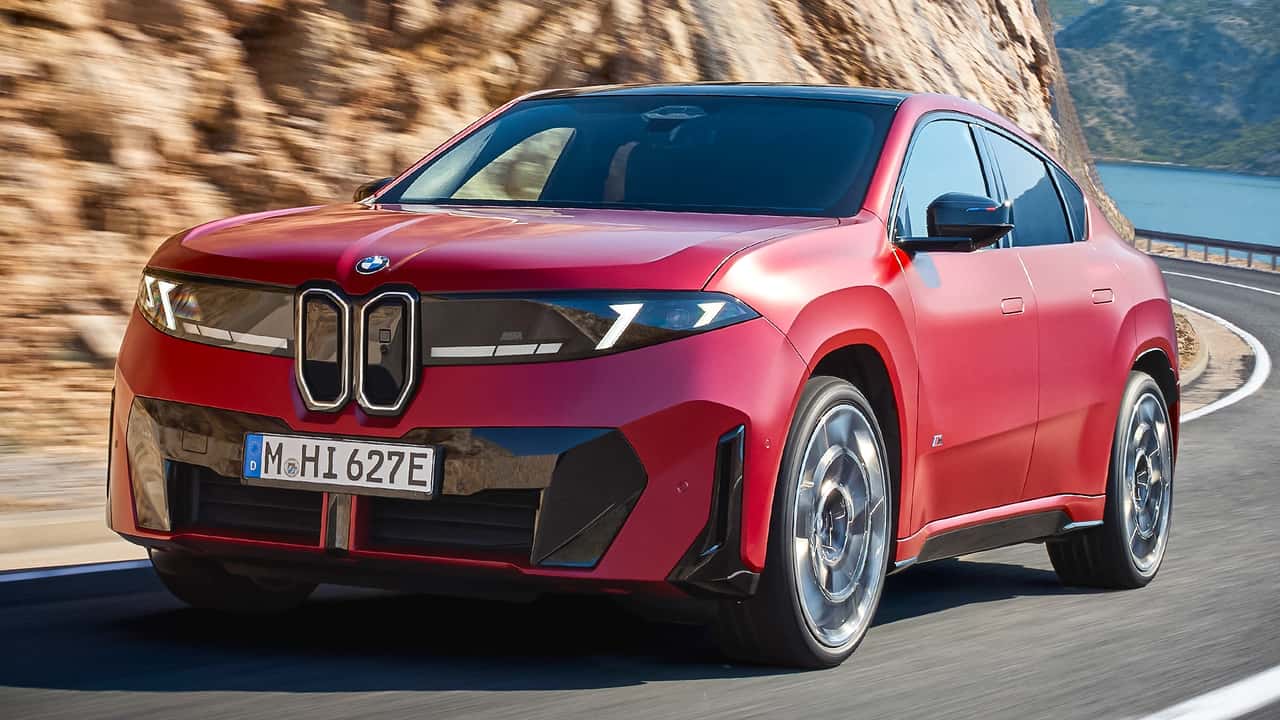
BMW's debut iX4 electric crossover offers over 400 miles of range with coupe styling, nearly matching its iX3 sibling's 434-mile capability.
2 comments
Sign in to join the discussion.
Sign inBMW's 400-mile iX4 confirms that range differentiation is moving from engineering necessity to market segmentation strategy—a critical threshold for fleet viability and consumer confidence. When multiple models in a single OEM lineup exceed the psychological 400-mile barrier, range anxiety transitions from a technical problem to a purchasing consideration, fundamentally altering total cost of ownership calculations for commercial operators. This proliferation of long-range platforms creates new safety validation challenges under ISO 26262. Higher energy density batteries require more sophisticated thermal management monitoring and fault-tolerant battery management systems, particularly for coupe designs with constrained cooling architectures. Fleet managers should verify that extended-range variants maintain the same ASIL-D compliance levels as baseline models, especially regarding crash-induced short circuit protection and post-collision high-voltage isolation—areas where aerodynamic packaging compromises can introduce new failure modes.
BMW's iX4 range milestone matters less for the number itself than for what it enables in secondary markets: credible regional air-ground integration. Four hundred miles unlocks predictable ground legs between emerging vertiport networks and underserved airfields—the last-mile problem inverted. Hybrid-electric regional aircraft targeting 300–500 nautical mile hops now have a legitimate surface alternative for weather diversions or maintenance re-routing, which certification authorities increasingly expect in conops documentation. For operators building true multimodal ecosystems, this isn't about replacing flights—it's about resilience. A long-range EV fleet becomes operational insurance when Part 135 minimums ground your eVTOL or weather closes the approach, maintaining schedule integrity without fossil infrastructure dependency. That's the kind of systems thinking that moves advanced air mobility from slideware to dispatch reliability.