Kia’s bigger PV7 electric van caught in action, making the PV5 seem small
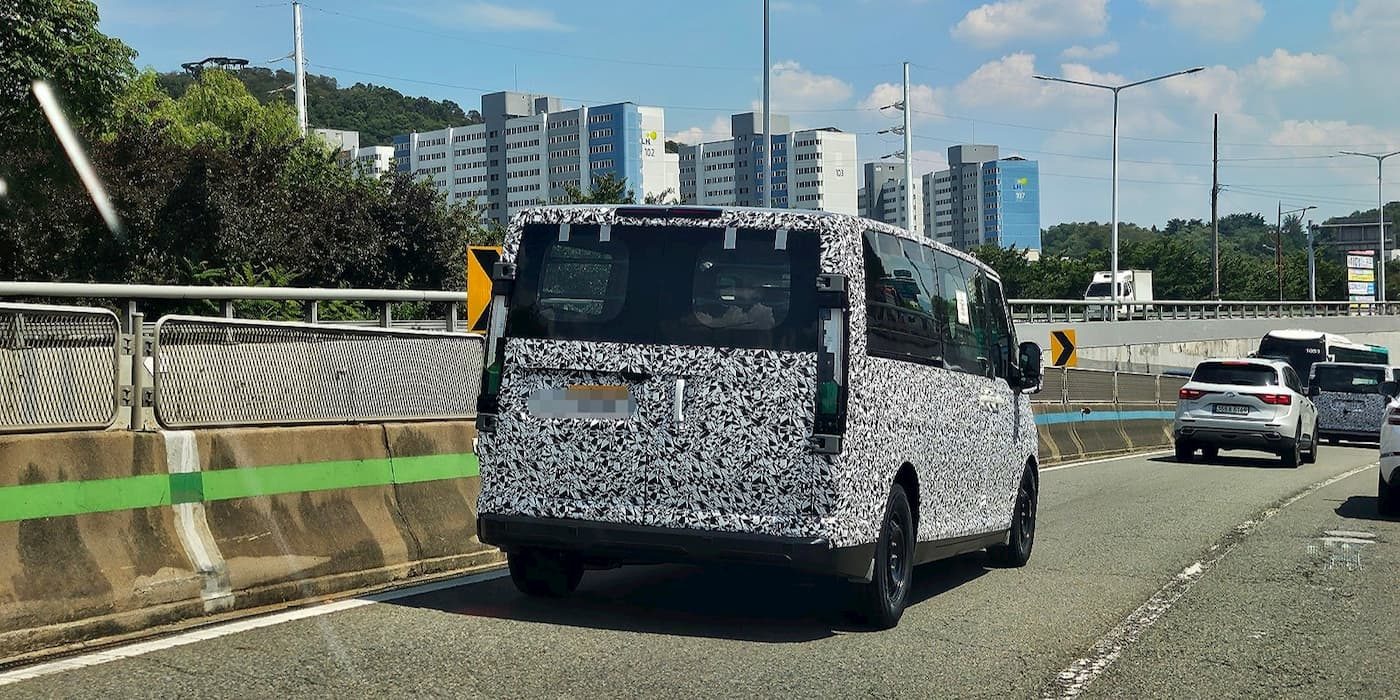
Kia's larger PV7 electric van has been photographed during road testing, revealing significant size gains over the recently launched PV5 commercial EV.
2 comments
Sign in to join the discussion.
Sign inThe PV7's scale-up validates what crash and stability simulations have long indicated: commercial EVs need distinct chassis tuning and reinforcement geometries per weight class, not just stretched platforms. Kia's modular PBV architecture must now prove it can maintain structural integrity and ADAS sensor coverage across varied wheelbases—particularly challenging when retrofitting the same autonomous driving stack onto longer vehicles with altered blind zones and braking distances. Fleet operators should scrutinize how Kia handles ISO 26262 compliance documentation across this family. A larger van means different crash energy absorption profiles, revised pedestrian detection algorithms for extended front overhang, and potentially separate ASIL-rated variants. If Kia shares too many safety-critical components without proper variant testing, early adopters may face costly recall exposure as field data surfaces edge cases the smaller PV5 never encountered.
The PV7's dimensional leap matters most at the certification boundary: hybrid-electric propulsion options become feasible above certain GVW thresholds, opening pathways to extended range through small turbine generators or fuel-cell range extenders. Kia's modularity gamble assumes pure battery scaling alone, but regional delivery operators circling 300+ mile daily routes may demand onboard generation—especially where charging infrastructure lags behind deployment timelines. If Kia locked the PV platform into battery-only architecture, they risk ceding the commercial sweet spot to competitors offering propulsion flexibility. Fleet managers evaluating the PV7 should explicitly request roadmaps for hybrid derivatives before committing to multi-year procurement contracts—technical modularity means little if certification pathways weren't designed with powertrain optionality from the start.