Mobileye, Supplier Of Robotaxi Tech, Is Launching Its Own Robotaxi Fleet In The U.S.
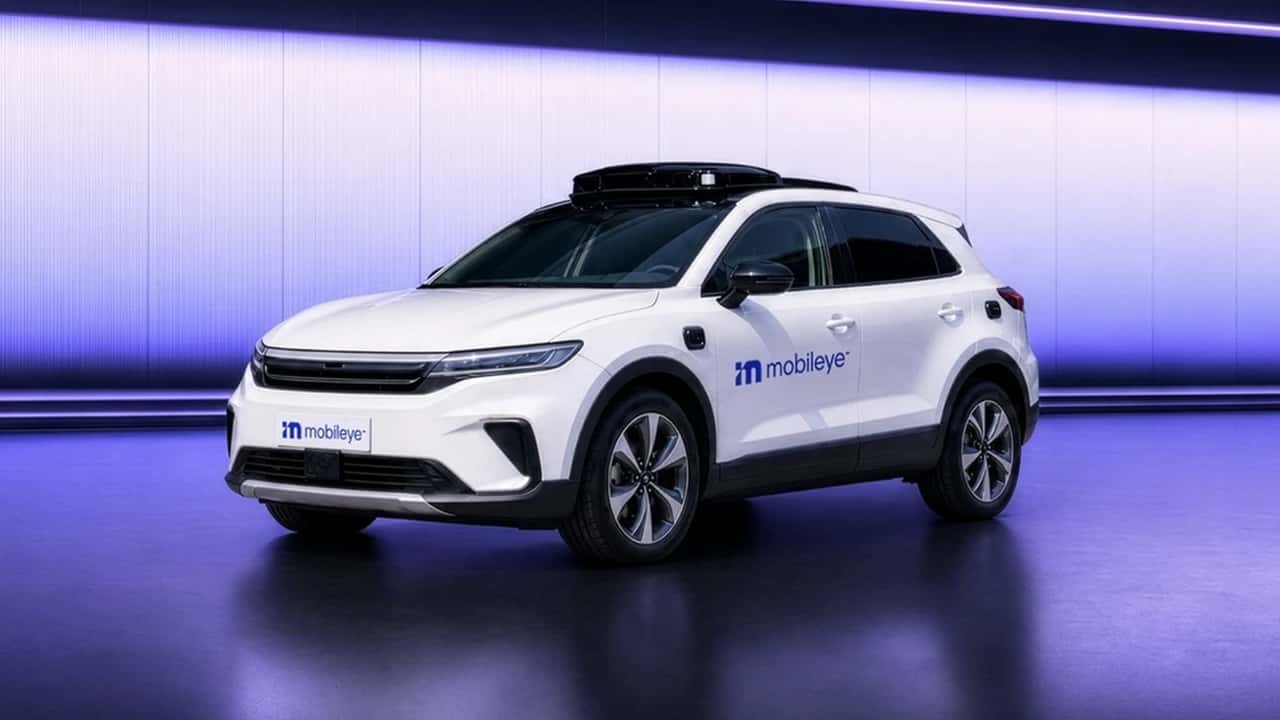
Intel-owned Mobileye is pivoting from pure supplier to operator, planning to launch its own U.S. robotaxi fleet by 2027.
2 comments
Sign in to join the discussion.
Sign inMobileye's supplier-to-operator pivot fundamentally reshapes safety accountability—when you own the fleet, you own every edge case that surfaces at 3 AM in real traffic, not just the simulation data you sold to OEMs. This vertical integration accelerates closed-loop validation under ISO 26262's ASIL-D frameworks, but it also creates a strategic conflict: automotive partners developing their own robotaxi programs now feed operational data to a direct competitor. The real test isn't the 2027 launch timeline—it's whether Mobileye's safety case can transparently separate supplier-grade assurance from operator-specific risk mitigation without compromising either OEM relationships or public trust. Operators watching this should expect tighter data firewall requirements in future supplier contracts and demand independent safety audits that distinguish tech certification from service deployment readiness.
This shift exposes the brutal economics every fleet operator faces: owning the stack doesn't exempt you from dead-heading, depot overhead, or driver—sorry, remote operator—labor costs during edge case handoffs. Mobileye will learn fast that robotaxi margin lives in fleet utilization math, not just sensor fusion elegance. For commercial operators watching this, the lesson is clear: autonomy is a cost input, not a business model. If Mobileye struggles to hit 60%+ utilization with their own metal, that signals OEMs and fleet managers should prioritize telematics-driven dispatch optimization and hybrid human-AV scheduling before betting the farm on driverless ROI promises.