Waymo taps fleet giant Element to scale its robotaxi service
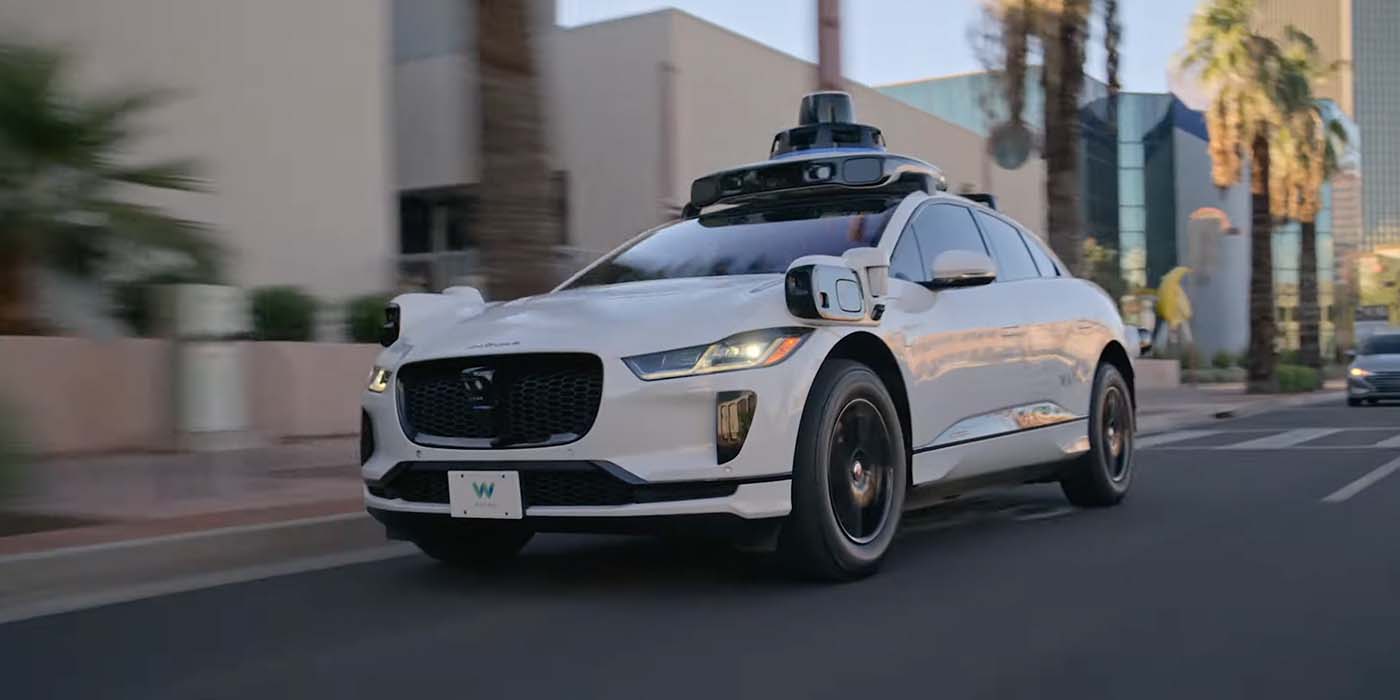
Waymo partners with fleet management giant Element to handle charging, maintenance, and operations as it scales its autonomous taxi service across new markets.
2 comments
Sign in to join the discussion.
Sign inElement's entrance isn't just procurement efficiency—it's Waymo acknowledging that zero autonomy tolerance means zero maintenance tolerance, and fleet uptime becomes the binding constraint on revenue per vehicle. This partnership essentially de-risks Waymo's expansion by offloading the operational variability that has quietly plagued pilot programs: charging deserts, unscheduled downtime, and the brutal reality that sensor cleaning schedules don't align with traditional service intervals. The implication for transit agencies and mobility operators is stark: autonomous fleets will demand maintenance ecosystems closer to aviation than automotive, with predictive intervention windows measured in hours, not thousands of miles. If you're planning AV integration, your RFPs should now include fleet management partners with real-time diagnostic routing and geographically distributed rapid-response capability—because the technology runs 24/7, but your operations team probably doesn't.
Waymo's handoff to Element proves that even autonomous fleets can't escape the iron law of commercial operations: driver or no driver, maintenance windows, depot locations, and parts logistics determine whether you run 18 hours a day or 12. Element brings multi-city service density that would take Waymo years to build internally—critical when your "driver cost savings" evaporate if vehicles sit idle waiting for brake pads. For traditional fleet managers, this is the blueprint: robotaxis won't eliminate operational complexity, they'll just shift it from driver scheduling to predictive maintenance and charge cycle optimization. The real TCO win comes from service network scale, not software alone. Operators evaluating AV partnerships should demand transparent uptime SLAs and co-location with existing depot infrastructure—because a stranded robotaxi costs exactly as much as a stranded human-driven vehicle.