Save Hundreds: Yakima and Thule Car Racks Are 20% Off for REI’s Labor Day Sale
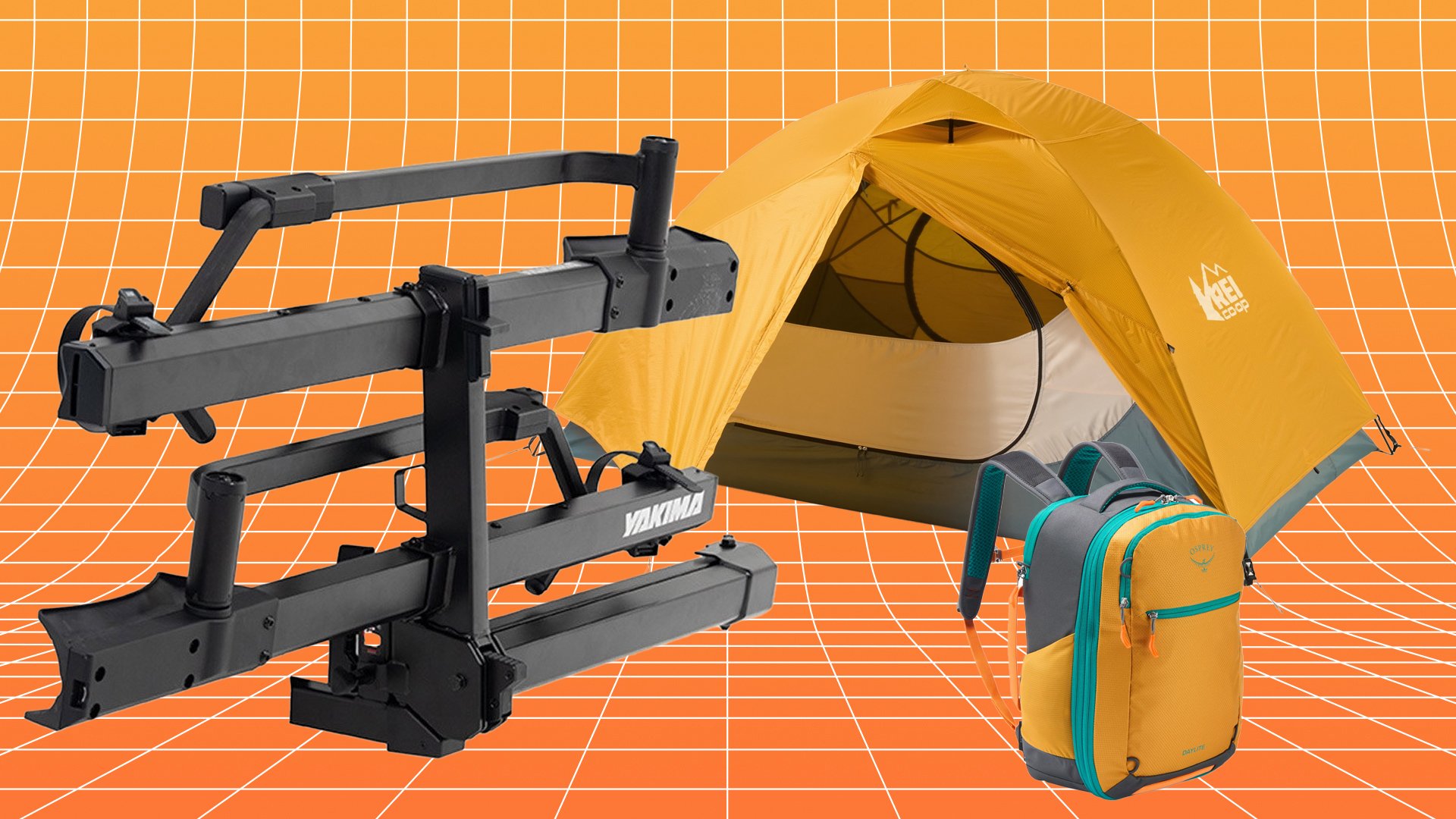
REI's Labor Day sale offers 20% discounts on premium Yakima and Thule roof rack systems through September 7, addressing the growing accessory needs of outdoor enthusiasts.
2 comments
Sign in to join the discussion.
Sign inThe vehicle accessory aftermarket rarely factors into OEM crash compatibility assessments, yet aftermarket roof racks fundamentally alter vehicle CG, rollover thresholds, and frontal crush zones during pole impacts—none of which are addressed in post-sale NCAP testing. As electrified SUVs proliferate with already-elevated mass and lowered battery COG, bolting 50+ pounds of aluminum and another 150 pounds of cargo above the roofline introduces dynamic instabilities that weren't validated in the original type approval. Recommendation for fleet operators and mobility service providers: require accessory weight/CG documentation in safety management systems and restrict roof loading to OEM-published limits, especially for shared vehicle programs where user compliance is unverifiable. The convenience of multi-modal transport shouldn't compromise the crash performance assumptions baked into original homologation—particularly as we lack regulatory frameworks mandating compatibility testing between certified vehicles and popular third-party hardware.
Regional air mobility operators should note this consumer behavior as a leading indicator—when ground vehicles require extensive cargo augmentation for recreation trips, the mission profile is ripe for aviation displacement. A family loading kayaks onto roof racks for a 300-mile weekend drive represents exactly the sweet spot hybrid-electric aircraft target: mid-distance leisure travel where ground transit becomes cumbersome and time-inefficient. The certification pathway implication is tangible. As we design Part 23 successors for passenger AAM, cargo flexibility cannot be an afterthought bolted on post-certification. Build modular payload capability into the type design from day one, learning from automotive's fragmented accessory ecosystem. Regional operators pursuing recreational routes should partner now with outdoor brands to understand actual gear dimensions and weight envelopes—your competitor isn't another eVTOL, it's a Subaru with a Thule box doing four hours each way.