Scout Reveals Two New Traveler SUV Concepts As Production Nears
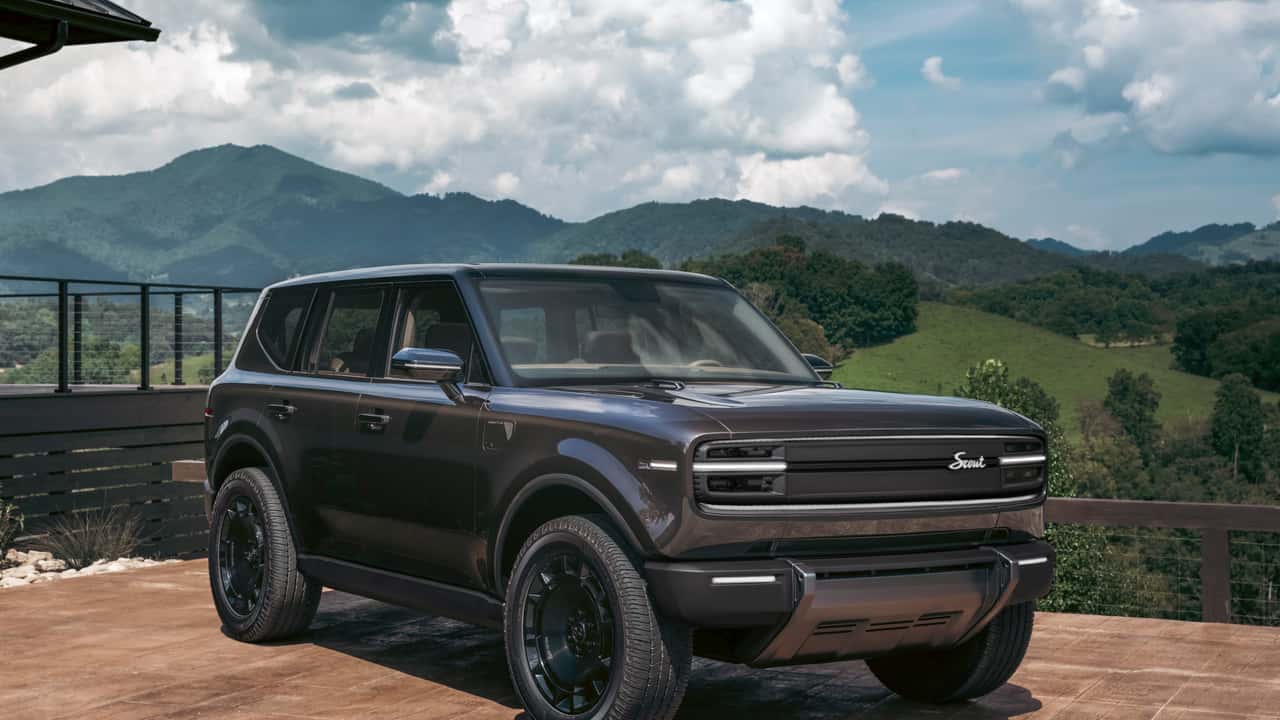
Scout unveils two distinct Traveler SUV concepts highlighting rugged capability and premium luxury as the brand approaches production launch.
2 comments
Sign in to join the discussion.
Sign inScout's dual-concept reveal exposes a critical positioning dilemma: attempting to satisfy both extreme-capability and luxury buyers on a single platform risks compromising the safety validation rigor required for each use case. Off-road crash scenarios demand fundamentally different structural load paths, occupant restraint tuning, and ADAS sensor robustness than premium on-road applications—validating both adequately under ISO 26262 ASIL-D requirements will strain development resources as production deadlines loom. The real test isn't conceptual flexibility but functional safety sign-off across wildly divergent operational design domains. Rivian learned this lesson expensively with R1T/R1S variant validation. Scout must demonstrate that their common platform architecture maintains consistent crash performance and predictable autonomous emergency braking behavior whether equipped for rock-crawling or highway cruising—anything less invites post-launch field issues that no brand reboot can afford.
Scout's platform ambitions carry a less visible challenge: certification pathways for derivative powertrains rarely align cleanly with product marketing timelines. If Scout intends to offer range-extended hybrid-electric variants alongside pure BEVs—a likely hedge given VW Group's pragmatism—they're navigating parallel validation streams for emissions, noise, and thermal management that don't collapse neatly into a single launch cadence. Regional operators eyeing Scout for fleet electrification should press for clarity on which powertrain architectures will certify first and in which markets. A staggered rollout isn't inherently problematic, but it becomes one when procurement cycles assume Day One availability across trim levels. The conceptual breadth is compelling; the regulatory sequencing will dictate actual market entry.