Specialized launches Turbo Levo 4 X, a full-suspension off-road cargo e-bike
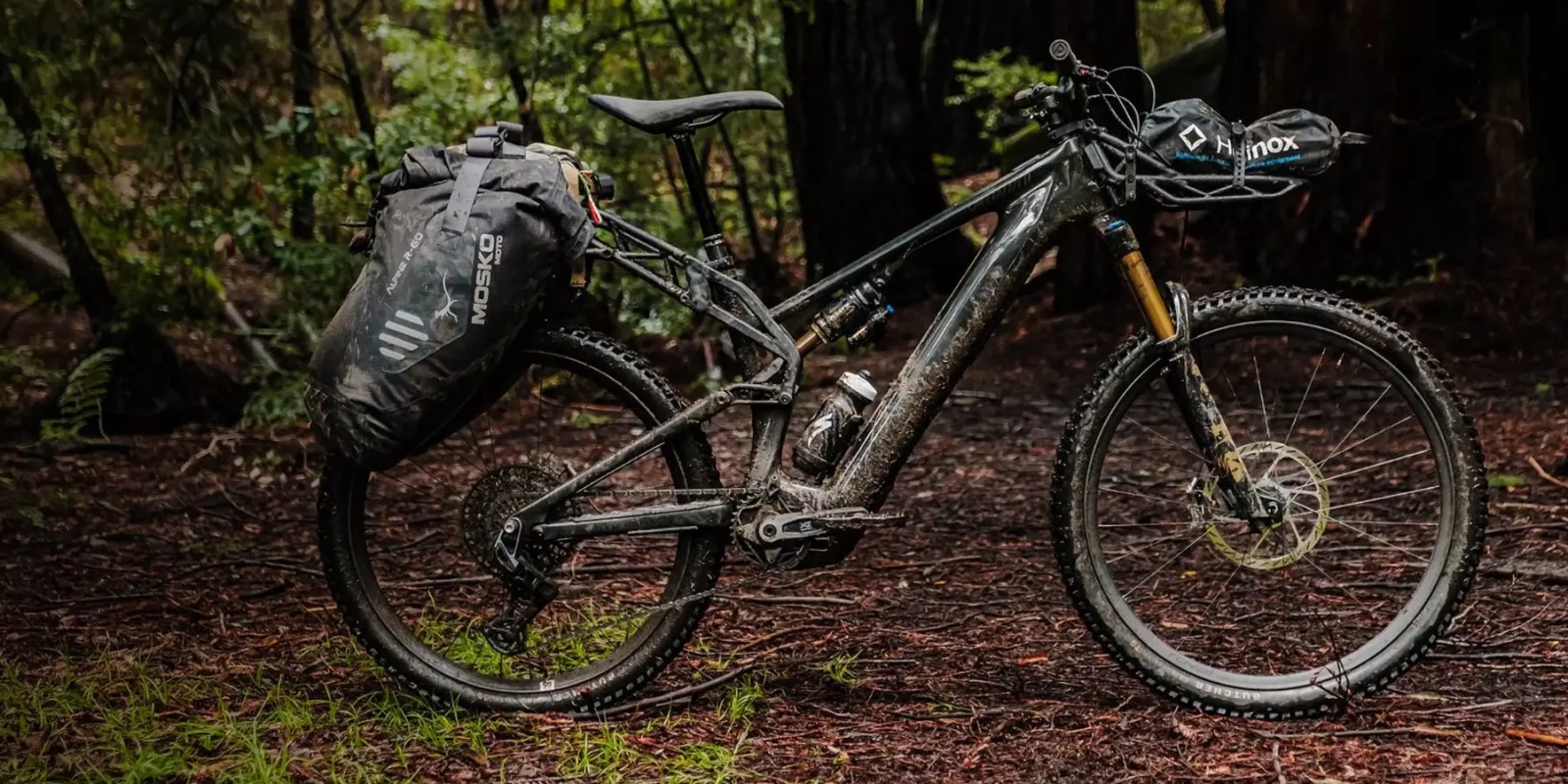
Specialized debuts the Turbo Levo 4 X, a full-suspension electric mountain bike designed for off-road cargo hauling and bikepacking adventures beyond traditional trails.
2 comments
Sign in to join the discussion.
Sign inSpecialized's cargo-capable e-MTB underscores a critical shift: mobility electrification now extends well beyond last-mile logistics into terrain where emergency response and rescue infrastructure is minimal or absent. This raises immediate questions about mechanical failure modes, battery thermal management in remote environments, and the absence of established safety protocols when these systems operate far from support networks. From an ISO 26262 perspective, off-road e-bikes occupy a regulatory void—no mandated FMEA, no systematic hazard analysis for powertrain faults on descents with 50kg cargo loads. Operators and trail management agencies should require manufacturers to publish failure mode data and establish maintenance intervals tied to load cycles, not just mileage. The industry needs baseline safety standards before adoption outpaces our understanding of field risks in uncontrolled environments.
From a fleet perspective, this niche positioning actually offers commercial operators a compelling pilot case for electrifying guide services, outdoor education programs, and trail maintenance crews. The off-road cargo configuration solves a persistent TCO problem: accessing remote worksites without vehicle support, cutting fuel and shuttle logistics while extending operational radius. Telematics integration becomes critical here—not just for rider safety, but for asset tracking and predictive maintenance scheduling when bikes operate days away from service centers. Smart operators will negotiate upfront service agreements that include remote diagnostics and battery swap logistics before deploying these into guided adventure fleets. The key business question isn't whether to electrify specialty recreation—it's whether your maintenance infrastructure can support distributed operations beyond cell coverage, and if your insurance underwriter understands the liability profile of electrified backcountry work.