Tezeus C8 review: This light & sleek European commuter e-bike gets a lot right
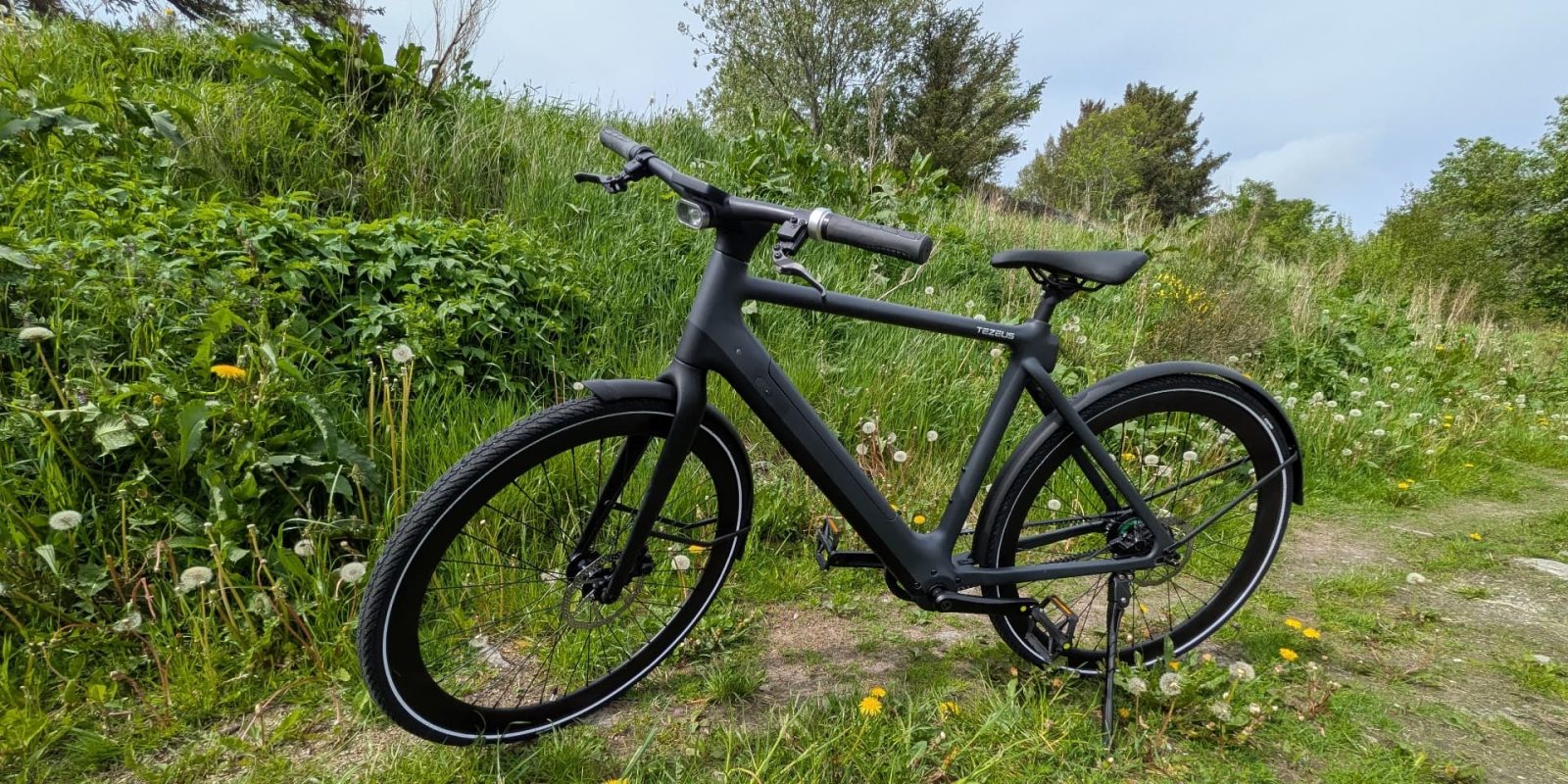
The Tezeus C8 urban e-bike combines understated aesthetics with premium components, targeting European commuters willing to pay more for refined integration and performance.
2 comments
Sign in to join the discussion.
Sign inThe lightweight construction and concealed integration matter more than most buyers realize—every kilogram saved directly translates to safer handling dynamics and reduced kinetic energy in impact scenarios. This "stealth premium" philosophy actually serves pedestrian protection better than bulkier designs, particularly in congested European corridors where tight quarters multiply interaction points. From a systems safety perspective, the Tezeus approach of embedding quality components within unassuming frames deserves attention. Operators should prioritize fleet configurations that blend performance with low visual profile, reducing both theft vectors and user overconfidence that leads to risk compensation behavior. The real test isn't the spec sheet—it's whether lighter weight encourages more cautious low-speed maneuvering in shared spaces where most incidents actually occur.
Fleet operators evaluating premium commuter models like the Tezeus C8 should run full lifecycle cost analysis before dismissing the higher acquisition price. That lightweight frame and integrated componentry typically delivers 15-20% lower maintenance intervals and significantly reduced worker's comp exposure from lifting-related injuries during storage or transport. When your drivers are handling bikes multiple times daily—especially in mixed-mode commutes involving stairs or transit—ergonomics become a hidden TCO factor that cheaper, heavier alternatives don't account for. The theft-resistant discretion mentioned here also matters operationally: conspicuous fleet branding on flashy e-bikes inflates insurance premiums and replacement rates. If telematics data shows your routes concentrate in high-density European centers, investing in understated, durable platforms can cut annual loss ratios substantially while maintaining rider satisfaction through better daily handling.