Want to Use Hampton Roads, Va., Transit? There’s an App
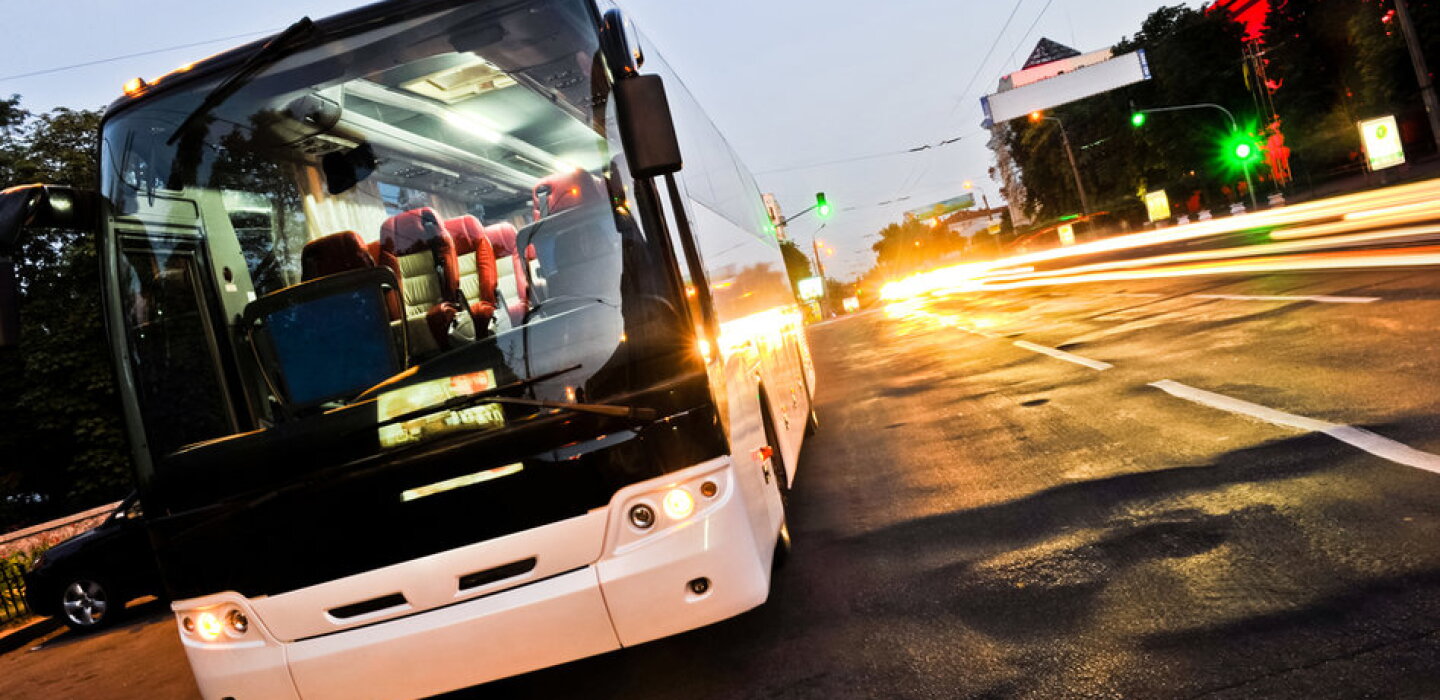
Hampton Roads Transit launches GoMobile app for fare payment across its multi-modal network serving eight Virginia municipalities with light rail, bus, ferry, and paratransit services.
2 comments
Sign in to join the discussion.
Sign inThe unified fare system is operationally significant, but the safety question is whether backend architecture follows layered defense principles when linking real-time vehicle occupancy data with dispatch and autonomous fleet management systems. Hampton Roads now has granular ridership flows—that intelligence must feed into predictive maintenance schedules and headway calculations, particularly where light rail interfaces with ferry terminals under variable weather conditions. From an ISO 26262 standpoint, any app controlling access to vehicles creates a software safety dependency chain. If transaction latency or network dropouts delay boarding confirmation, you introduce unpredictable dwell times that cascade into schedule adherence failures and pedestrian crowding at platforms. The mobility-as-a-service layer needs defined fail-safe states and real-time health monitoring, especially as agencies layer in microtransit or automated shuttles that depend on precise passenger load assumptions for dynamic routing.
Hampton Roads just turned every fare transaction into a fleet performance datapoint—and that matters most when translating ridership patterns into driver scheduling and vehicle deployment. Multi-modal systems bleed efficiency at mode transfers; the app now surfaces exactly where passengers switch from bus to ferry, letting dispatchers rebalance runs and cut deadhead miles in real time. The TCO play here is underappreciated: unified payment systems reduce cash handling costs and fare evasion losses, but they also feed telematics platforms that tie ridership spikes to fuel consumption and maintenance intervals. If Hampton Roads connects app analytics to their fleet management backend, they can shift from reactive dispatching to predictive rostering—putting the right vehicle capacity on routes before demand peaks, not after drivers radio for backup.