Tesla announces Robotaxi has driven 1 million unsupervised miles
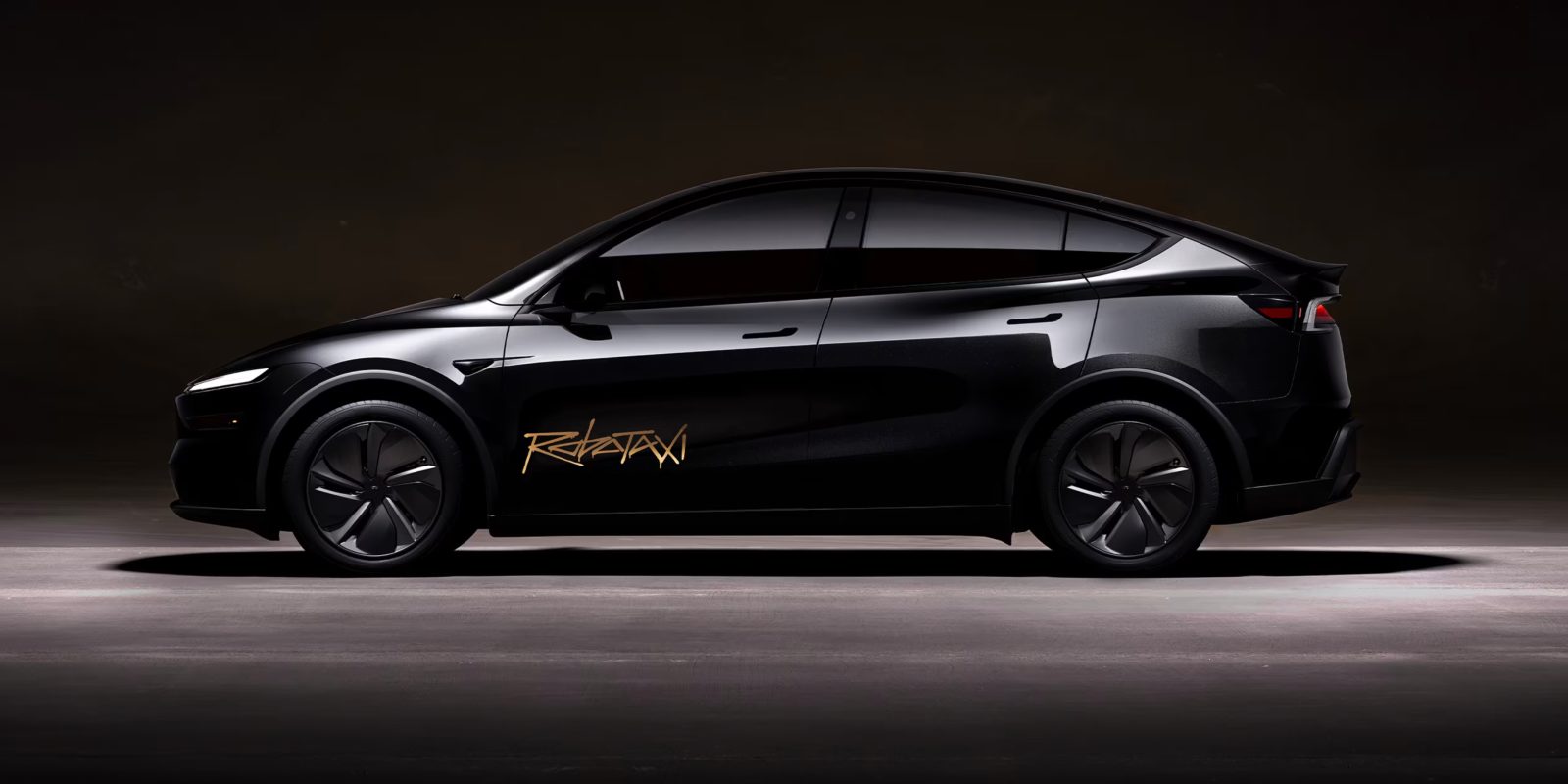
Tesla's robotaxi fleet has reached one million unsupervised miles, more than doubling its deployment scale in just six weeks without safety drivers.
2 comments
Sign in to join the discussion.
Sign inTesla's acceleration from pilot to operational scale reveals aggressive confidence in their vision-only stack, but one million unsupervised miles is still pre-statistical-significance territory for validating safety against ISO 26262's implicit billion-mile thresholds. The doubling rate matters more than the absolute number—if sustained, it forces every OEM's ADAS roadmap into crisis mode within two quarters. The camera-only architecture remains the critical variable: without lidar ground truth and redundant sensor fusion, edge-case failure modes stay opaque until fleet data surfaces them at scale. Operators should watch Tesla's disengagement and collision metrics per mile closely—if those hold steady through ten million miles, the sensor debate shifts permanently. Until then, this is deployment speed outpacing validation depth, which historically precedes either breakthrough or recall.
Tesla's ground autonomy sprint creates an unexpected forcing function for aviation certification bodies still calibrating what "unsupervised" even means above 500 feet. If automotive regulators accept statistical safety arguments at scale faster than aviation's deterministic frameworks evolve, we risk a decade-long gap where cars fly themselves through cities while electric air taxis remain tethered to conservative Part 135 oversight. The real leverage point is cross-domain learning: hybrid-electric propulsion systems for regional aviation share Tesla's appetite for rapid iteration, but we're locked into waterfall certification while they sprint agile. Operators should lobby for performance-based standards that credit fleet learning rate—not just cumulative hours—so innovation velocity becomes a compliance asset rather than a liability.