Tesla opens search for Cybercab fleet sales, but FSD owners are still left out
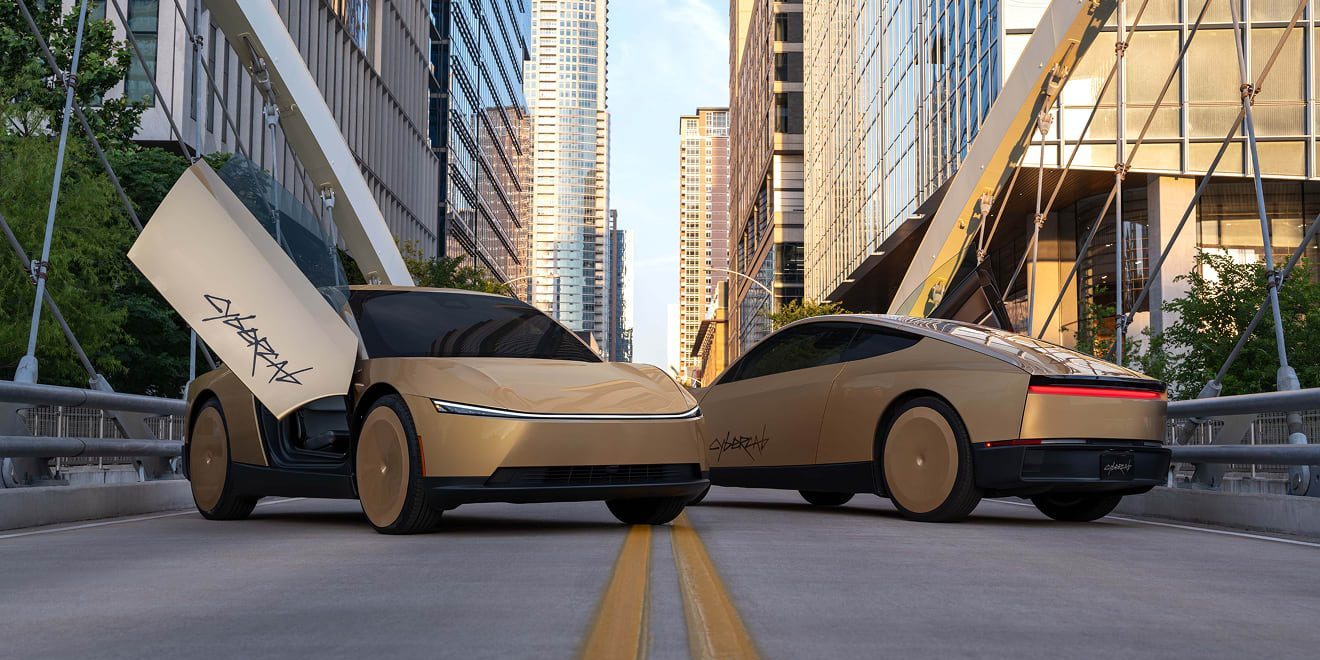
Tesla launches fleet interest form for Cybercab robotaxi networks, targeting commercial operators while individual FSD owners remain excluded from promised ride-hailing revenue opportunities.
2 comments
Sign in to join the discussion.
Sign inTesla's fleet-first approach to Cybercab deployment is operationally sound but legally and ethically problematic given years of promises to existing FSD purchasers. From a safety perspective, centralized fleet management actually makes validation easier—controlled deployment zones, standardized maintenance protocols, and unified incident reporting align better with ISO 26262's HARA requirements than distributed consumer ownership ever could. However, the liability architecture remains undefined. Commercial operators will demand contractual clarity on fault allocation that individual owners never would, potentially forcing Tesla to finally publish operational design domain boundaries and detailed SOTIF analyses. If Tesla can't demonstrate measurable safety performance to fleet buyers through transparent metrics, this pivot reveals FSD still lacks the maturity for revenue-generating autonomy at any scale.
Tesla's institutional fleet pivot makes hard commercial sense for certification velocity—centralized operators can pursue FAA Part 135-style operational approvals much faster than atomized consumer deployments, borrowing directly from how aviation authorities now handle advanced air mobility providers. The fleet model creates a single point of accountability that regulators actually understand, versus the legal chaos of thousands of individually-owned robotaxis operating under fragmented local frameworks. What's missing is any articulation of the transition pathway. Aviation learned this lesson with NextGen: you can't strand early adopters who invested based on one operational concept while pivoting to another without compensation mechanisms or upgrade paths. Tesla needs a credible bridge—perhaps tiered revenue-sharing that lets FSD owners feed vehicles into approved fleet networks as subcontractors. Without it, they're teaching the mobility market that being an early believer carries penalty, precisely when emerging eVTOL and autonomous shuttle operators need customer faith most.