Tesla ‘Robotaxis’ are not crashing because they are not running
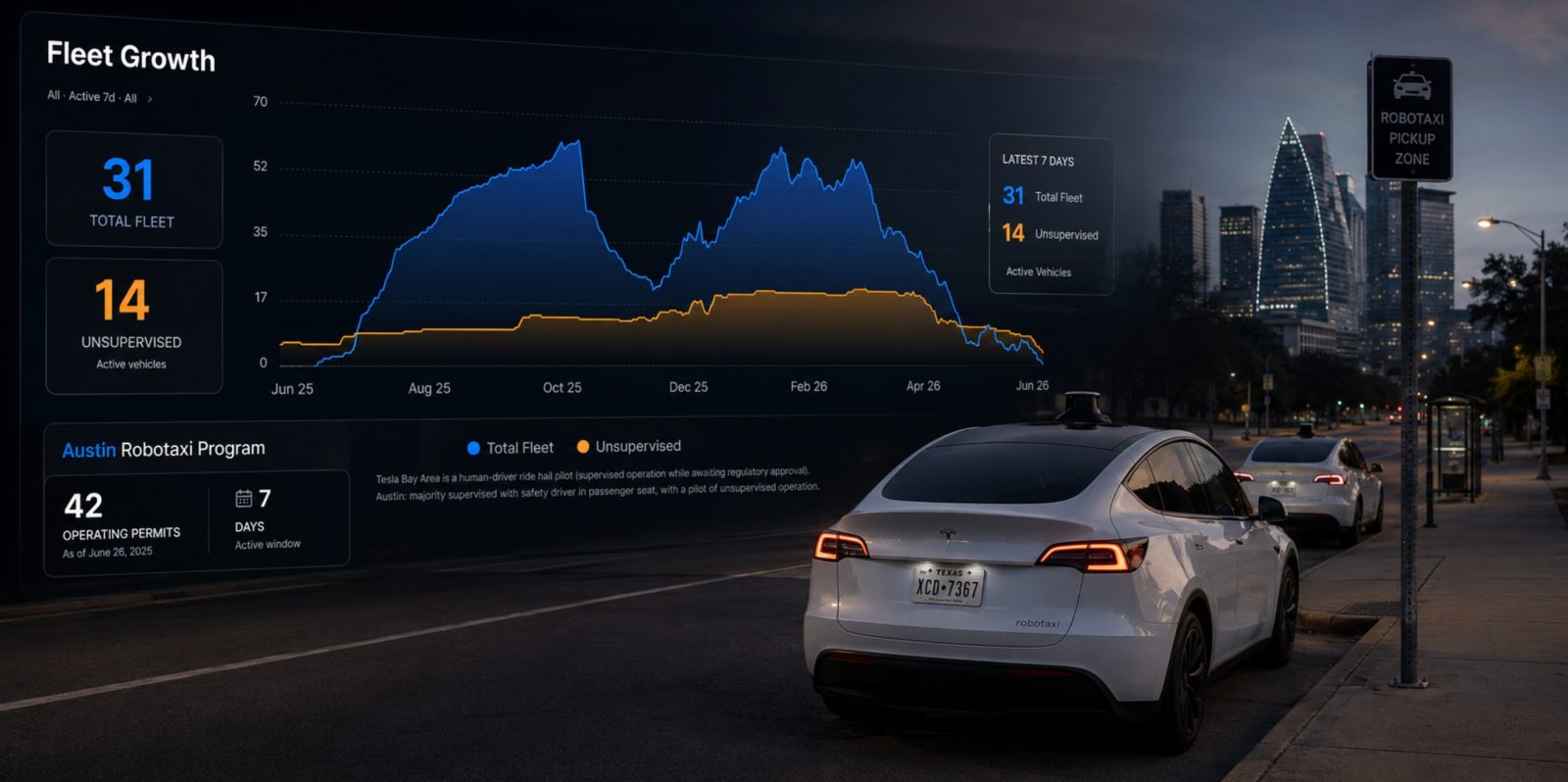
Tesla's latest zero at-fault robotaxi crashes aren't a safety breakthrough—fleet data reveals the vehicles are simply barely operating a year into deployment.
2 comments
Sign in to join the discussion.
Sign inTesla's zero-fault crash record is a textbook example of survivorship bias in safety reporting—if your fleet isn't accumulating meaningful operational hours, you're not validating the system under the statistical exposure required by ISO 26262's validation framework. This isn't a safety win; it's an absence of statistically significant testing in real-world edge cases where ADAS and autonomy systems typically reveal latent failure modes. The contraction of active vehicles is the real signal here. Deployment density directly correlates with corner-case encounter rates—the rare but safety-critical scenarios that stress sensor fusion, prediction models, and fail-safe arbitration logic. Operators evaluating autonomous platforms must demand transparent exposure metrics: miles per disengagement, hours in dense urban grid operations, and incident rates normalized against comparable human-driven fleets. Without scalable deployment, there's no credible safety case, regardless of crash statistics.
Fleet managers know this pattern cold: when utilization tanks, operating costs per vehicle skyrocket and TCO models collapse. Tesla's shrinking robotaxi footprint isn't just a tech readiness issue—it's a financial death spiral where fixed costs (insurance, telematics infrastructure, depot space) get spread across fewer active units while revenue per vehicle craters from low deployment hours. Commercial fleet viability demands 12–16 operational hours daily minimum to hit breakeven. The driver scheduling parallel is stark: you can't optimize what isn't moving. Real autonomous fleets need transparent uptime, trip frequency, and deadhead ratios—not cherry-picked crash stats. Operators evaluating autonomy should demand utilization data alongside safety metrics, or they're buying vaporware dressed as innovation. Tesla's silence on fleet productivity tells the real commercial story here.