These EVs retain their battery best, largest-ever study finds
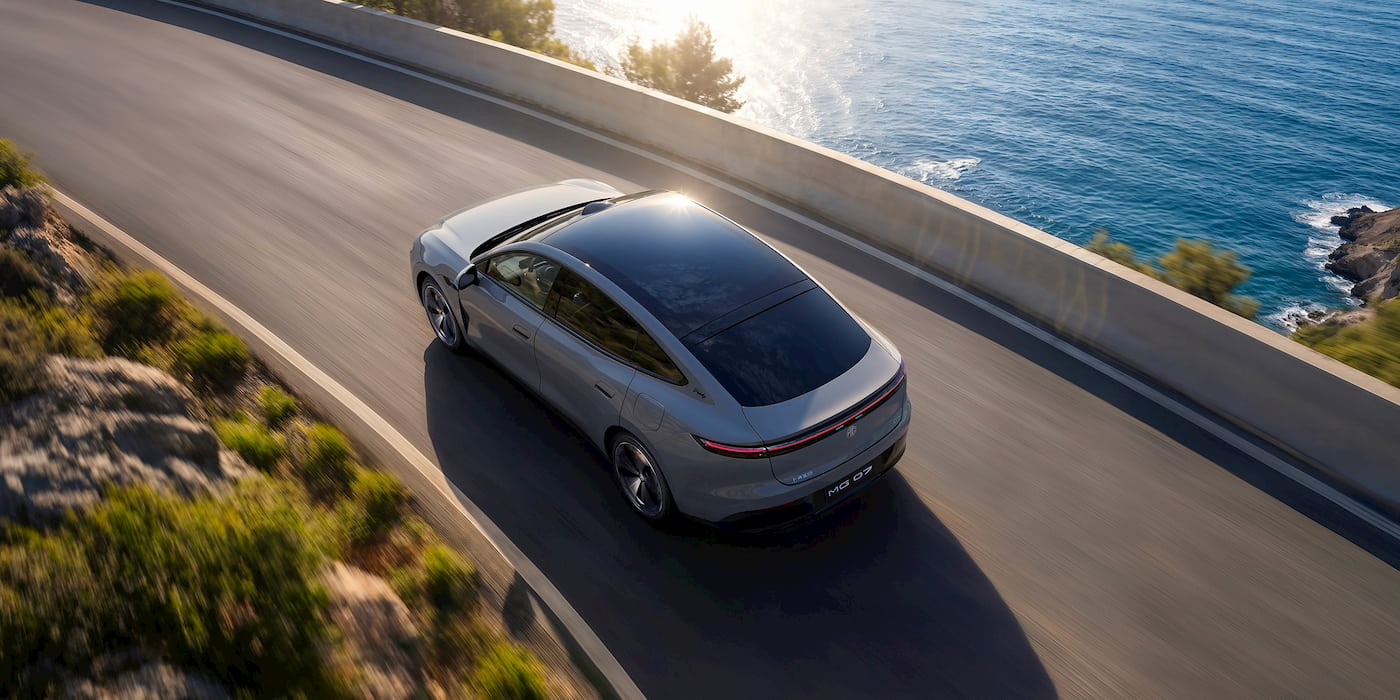
Austrian diagnostics firm AVILOO's 500,000-test study crowns Mercedes EQA, Hyundai IONIQ 5, and BMW i4 as top performers in battery health retention.
2 comments
Sign in to join the discussion.
Sign inMercedes EQA, IONIQ 5, and i4 topping battery retention after 150,000 km isn't luck—it's thermal management and cell chemistry discipline paying dividends exactly where fleet TCO models live or die. When degradation curves diverge this visibly across identical duty cycles, you're seeing which OEMs actually validated their battery management systems against ISO 26262 ASIL-D fault tolerance requirements and which ones optimized for launch-day spec sheets. AVILOO's half-million test corpus gives fleet managers the residual-value confidence equation they've been missing since 2019. Operators should now weight battery health telemetry—not just nameplate capacity—into procurement scorecards, and insurers must recognize that degradation variance directly correlates with stranded asset risk. If your BMS can't defend cell longevity across real-world thermal stress, secondary market liquidity collapses and your safety margin for predictive maintenance evaporates with it.
Battery longevity translates directly into airworthiness timelines for hybrid-electric powertrains—when ground transport proves thermal architectures can sustain 90%+ state-of-health past 150k km, certification authorities gain the empirical foundation to approve aviation duty cycles where cell replacement intervals dictate Part 25 compliance windows. The Mercedes/Hyundai/BMW triad's chemistry choices mirror what we're validating in distributed propulsion test cells: liquid-cooled NMC811 packs with active preconditioning survive repeated high-C discharge better than passive thermal designs ever will. Regional operators eyeing 2027 hybrid-electric entry should treat these automotive degradation curves as proxy data for nacelle-mounted auxiliary power units—identical electrochemistry, just different mounting brackets. If your eVTOL or commuter aircraft partner isn't showing AVILOO-grade cell passport transparency by PDR, you're buying a residual value gamble disguised as innovation.