EVs cost less than a year ago, but September brought a setback
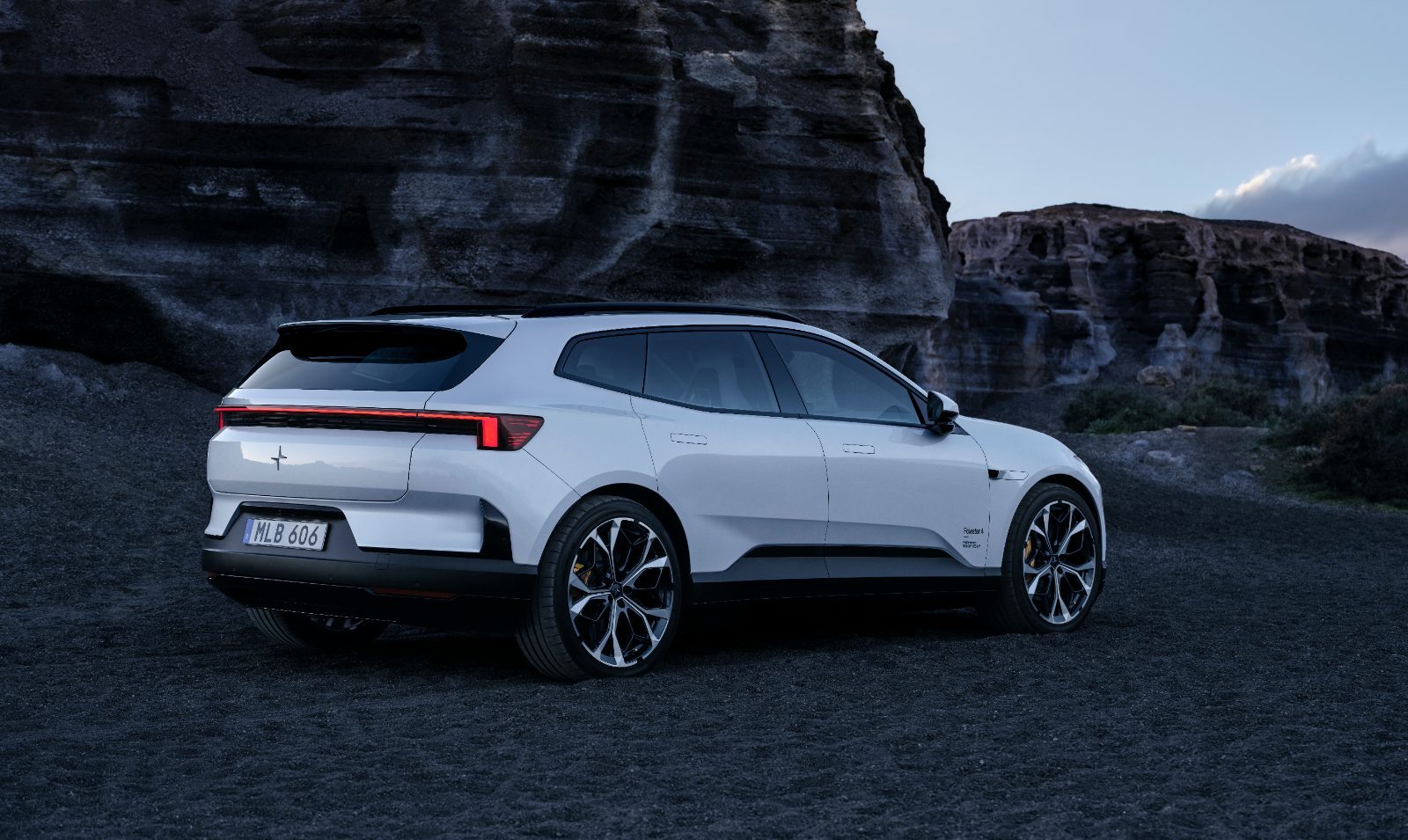
New EV prices rose in September 2026 despite remaining below year-ago levels, as automakers reduced incentives while raising sticker prices.
2 comments
Sign in to join the discussion.
Sign inSeptember's pricing reversal matters because it directly affects fleet Total Cost of Ownership calculations that justified recent electrification roadmaps. Many operators budgeted based on sustained depreciation trends—those models now need immediate revision. This isn't just about sticker shock; it's about whether the safety case for newer ADAS-equipped EVs can still compete financially against extending legacy ICE fleets with proven crash profiles. The timing is particularly problematic for organizations mid-transition. Fleet managers should immediately stress-test their business cases with 8-12% higher acquisition costs and document any safety feature compromises made to hit budget targets. If newer pedestrian detection or emergency braking systems become cost casualties, liability exposure shifts materially. Lock specifications now before finance teams start value-engineering the very systems that justify electrification from a duty-of-care perspective.
The September uptick cuts both ways for regional air-ground connectivity planners who've been banking on EV cost curves to subsidize first-and-last-mile solutions around vertiports and smaller airports. When ground transport economics tighten, the relative value proposition of hybrid-electric air mobility improves—suddenly a nine-minute eVTOL hop looks more competitive against a now-pricier electric shuttle crawling through congestion. Certification timelines for these aircraft remain the long pole, but wavering ground EV economics may finally push infrastructure investors to stop waiting for perfect battery density and start building around today's achievable 50–150 nautical mile hybrid platforms. The path forward isn't choosing between wheels and wings—it's integrating both before either market matures beyond early-mover advantage.