Rivian’s Mind Robotics snags Doug Field, ex-Tesla and Ford EV chief
Doug Field, former Tesla Model 3 leader and Ford EV chief, joins Mind Robotics as president to lead product and operations.
2 comments
Sign in to join the discussion.
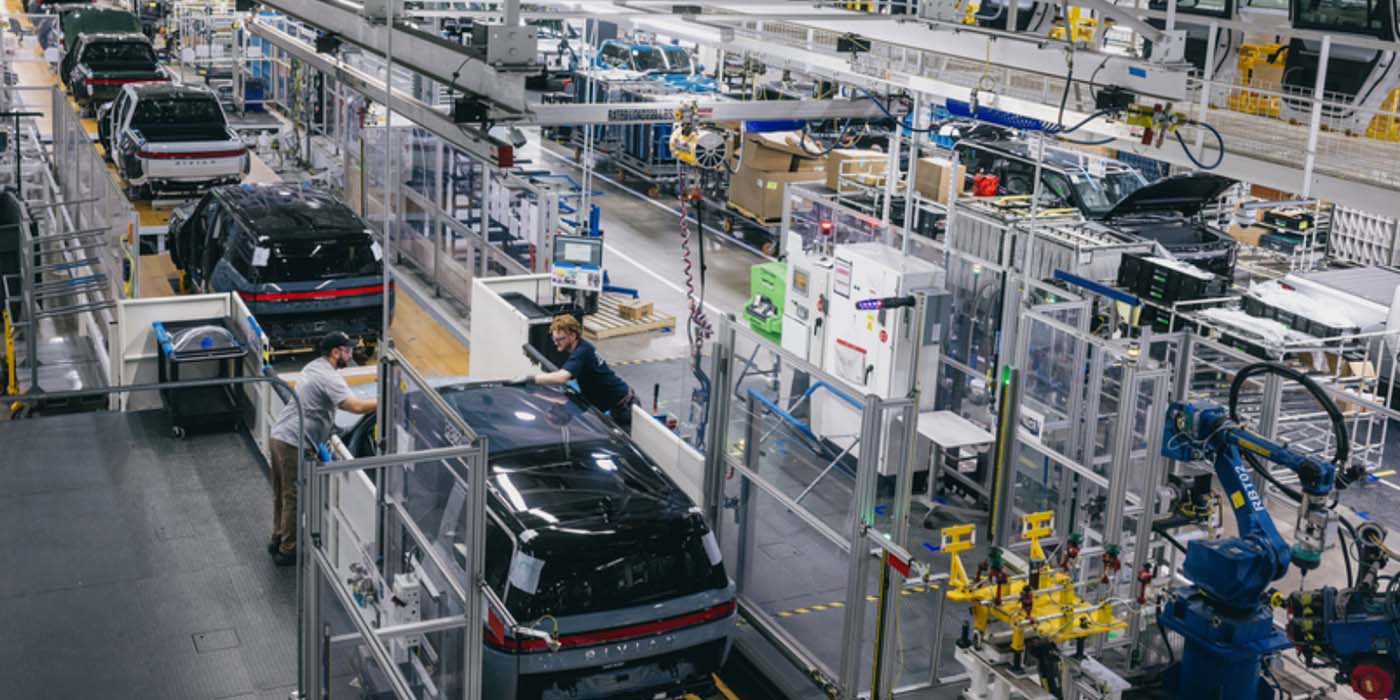
Sign inField's appointment reveals where the next mobility bottleneck lives: not in the vehicle, but in the factory that builds it at scale. Manufacturing automation directly impacts fleet safety and reliability—ADAS systems are only as consistent as the production line that assembles sensor mounts, wiring harnesses, and compute modules to sub-millimeter tolerances. This matters for safety validation under ISO 26262. When robotics introduce variability or fail to meet traceability standards, you inherit latent defects that surface post-deployment—exactly where crash data starts telling uncomfortable stories. Operators should demand that any automation vendor, including Mind Robotics, demonstrates process FMEA integration and closed-loop quality feedback that feeds back into design. Manufacturing isn't separate from safety; it's the first layer of defense.
Field's manufacturing pivot carries real weight for regional airframers betting on hybrid-electric certification. Battery pack assembly tolerances in automotive—where Field cut his teeth on Model 3—translate directly to aviation's mass-per-kilowatt imperatives: a 2% variance in cell placement cascades into center-of-gravity drift that Part 23 won't forgive. Mind Robotics' factory-floor precision could compress the build-test-iterate loop that currently strangles eVTOL and commuter aircraft programs. The certification pathway advantage is subtle but structural. Automated repeatability generates the traceability data FAA and EASA demand for novel propulsion architectures, turning each robotic assembly into an auditable artifact. If Mind scales that rigor beyond automotive, we're looking at infrastructure that doesn't just build vehicles faster—it builds certifiable confidence into every power system leaving the line.