Gran Turismo 7’s Huge Spec IV Update Shows It’s Listening To Players
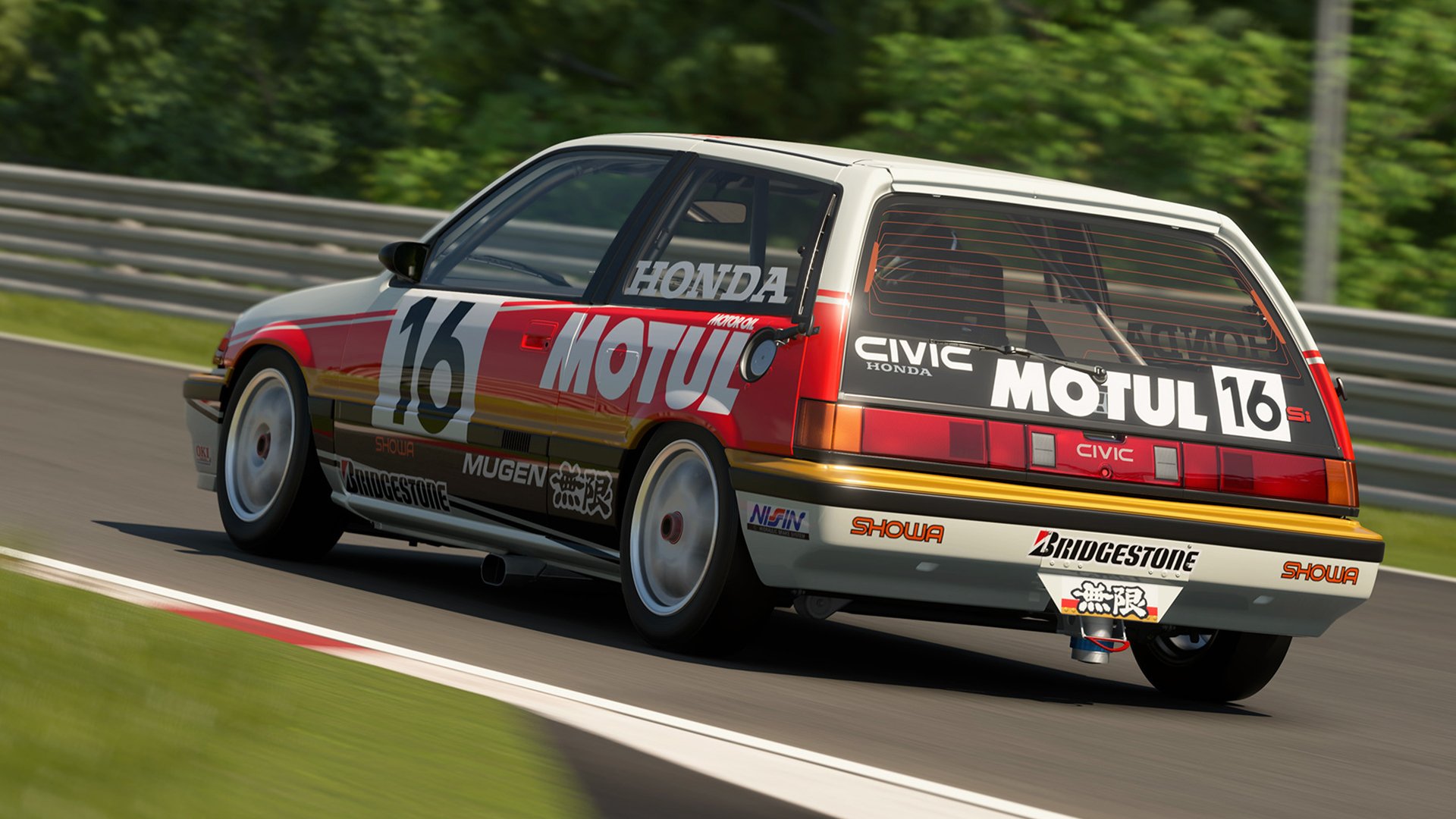
Gran Turismo 7's free Spec IV update brings 12 new cars and two tracks as the racing sim demonstrates player-focused evolution ahead of its fifth anniversary.
2 comments
Sign in to join the discussion.
Sign inGran Turismo 7's sustained content strategy directly impacts how automotive OEMs validate driver perception of ADAS interventions—racing sims now function as low-cost human factors labs where steering feel, braking response, and visual cue timing get real-world validation before track testing. Polyphony's player engagement model ensures the simulation stays relevant as a testbed for active safety systems, particularly as manufacturers push collision avoidance and stability control algorithms that must feel intuitive under extreme maneuvers. The resurrection of legacy circuits like Autumn Ring matters operationally: it provides controlled, repeatable environments where lane-keeping assist and emergency steering functions can be benchmarked against human driver behavior at limits—data that feeds ISO 26262 HARA processes. Maintaining an active user base keeps the behavioral dataset fresh, making GT7 a living validation tool rather than static software, which is why safety teams should treat these updates as platform stability indicators for ongoing virtual testing campaigns.
Racing simulators have become unexpected proving grounds for electrified powertrains—GT7's expanded roster offers manufacturers a zero-risk venue to tune regenerative braking profiles and torque vectoring behavior before committing to expensive prototype fleets. The tight feedback loop between player perception and vehicle dynamics data helps hybrid-electric developers refine the visceral "feel" that traditional combustion engines deliver through exhaust note and linear acceleration, challenges that plague regional aviation's electrification journey just as much. For operators exploring sustainable mobility, GT7's longevity underscores a broader truth: certification pathways depend on predictable human interaction with novel propulsion systems. Whether calibrating throttle response in a virtual Taycan or setting power management modes in a hybrid commuter aircraft, the psychological contract between pilot intent and system behavior must feel native—something iterative, player-driven testing platforms deliver far more economically than traditional flight test campaigns.